Mental Health Treatments for First Responders
Being the first on the scene can take a toll on your mental wellbeing. We offer treatment programs tailored to the distinct needs of first responders.

Your Struggle
As a first responder, you’ve witnessed things that most people couldn’t imagine. The trauma you’ve experienced on the job makes you vulnerable to life-altering struggles with addiction, depression, and anxiety. Despite struggling with trauma, you may be expected to go back to work and face your triggers every day.
Unfortunately, finding the right mental health treatments can be challenging for first responders. Most rehabilitation programs take a one-size-fits-all approach to treatment that fails to address your distinct circumstances.

How We Help
EHN Canada offers mental health treatments created exclusively for first responders. We take the challenges of your line of work into consideration to help you develop the tools you need to lay the groundwork for a long and healthy life.
On your journey you’re guided by a multiprofessional team of medical experts who have led other EMTs, law enforcement officers, paramedics, and firefighters towards success. We use evidence-based methods, like prolonged exposure therapy (PET) and dialectical behaviour therapy (DBT), to help you conquer trauma, addiction, and accompanying concerns.
While in treatment, you join a community of fellow first responders and military service members who understand what you’re going through. You learn and grow alongside your tight-knit cohort.
For patients struggling with the effects of trauma, we offer Cognitive Processing Therapy (or CPT). This type of treatment is effective in reducing PTSD symptoms, improving emotional regulation, increasing resiliency, and improving quality of life.
EHN Canada is exclusively endorsed by The International Association of Fire Fighters (IAFF) as the preferred treatment provider for Canadian IAFF members. Members are given priority admissions to our existing Military, Veteran and First Responder programs, like we offer at EHN Guardians Gateway in Peterborough, Ontario. EHN Guardians Gateway is Ontario’s premier mental health, trauma, and addiction treatment centre for military members, veterans, first responders, and healthcare workers. Our highly specialized clinical team is dedicated to providing evidence-based treatments to our patients. Spread across 14 acres of forest near Peterborough, EHN Guardians Gateway provides a serene, inviting environment for recovery.

Our Partnership with the Wounded Warriors Project
Not all wounds are visible. It’s why EHN Canada has partnered with Wounded Warriors Canada, a non-profit organization dedicated to helping veterans and active-duty service members living with PTSD.
Through this partnership, our clinical team receives specialized training to effectively treat active military service members, veterans and first responders including the innovative new occupational awareness training course, Introduction to Trauma Exposed Professionals. This course was clinically developed for healthcare workers who support trauma-exposed professionals to help them better understand the unique work, culture, and operational stressors of military service members.
Through this partnership, EHN Canada is proud to provide funding that ensures members across their military and first responder healthcare teams have access to the course. And together, we are creating an environment of compassion, resiliency, and hope for those who have dedicated their lives to serving Canadians.
More InformationWhat We Treat

We’re proud to offer several mental health treatment programs that are designed especially for first responders.

Trauma/PTSD/OSI
Trauma comes in many forms and from many sources including work, relationships, and childhood. If trauma or a psychological injury are interfering with your daily life, we’re here to help you feel better for good.
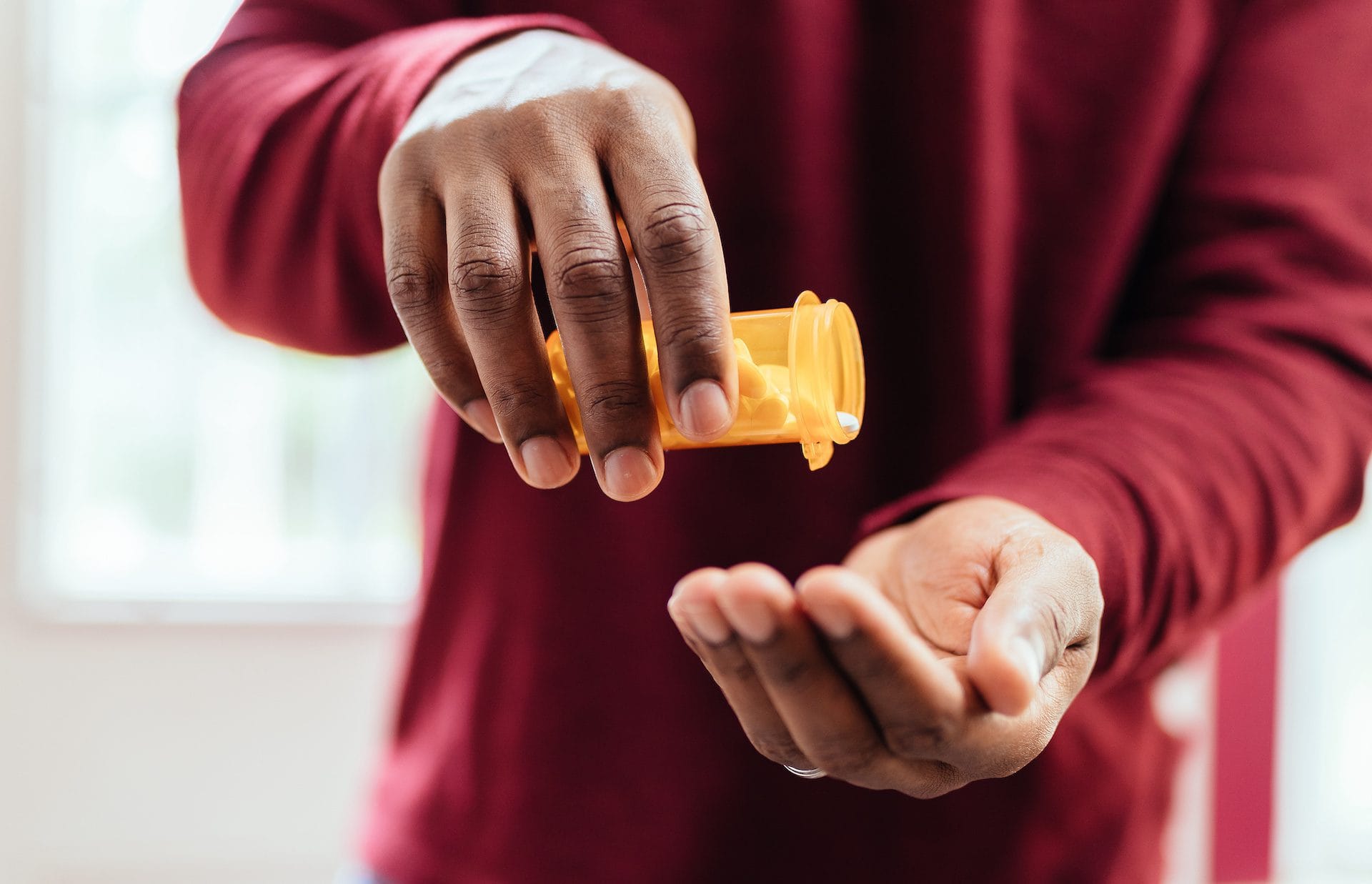
Drug & Prescription Medication Addiction
At EHN Canada, we don’t just help you achieve sobriety. We treat the underlying mental health conditions at the root of your addiction to help you achieve lifelong recovery.
Featured Locations
EHN Canada has treatment centres specializing in mental health treatments for first responders from coast to coast.

EHN Guardians Gateway
Trauma and Addiction Treatment Created for Military, Veterans, and First Responders. At EHN Guardians Gateway in Peterborough, Ontario (approximately 1.5 hours outside of Toronto), we’re proud to offer our clients evidence-based treatment for trauma and addiction. And it is all designed with the unique needs of active service members, veterans, first responders, and healthcare providers […]

EHN Edgewood Nanaimo
BC’s Leading Evidence-Based, Accredited Rehab for Addiction Recovery and Mental Health Treatment
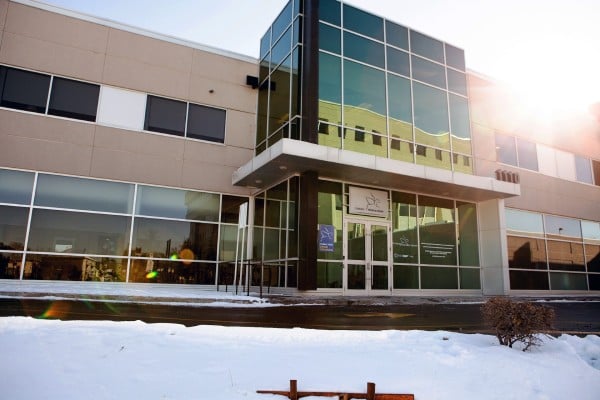
EHN Nouveau Départ Montréal
EHN Nouveau Départ Montréal offers inpatient addiction treatment in French.

EHN Bellwood Nova Scotia
Addiction Rehab in the Annapolis Valley, Nova Scotia - Holistic treatment in a warm, welcoming environment

EHN Online
We make care accessible and convenient by offering evidence-based treatments for addiction, drug use, and other mental illnesses in a virtual format.