

Psychological Trauma: Understanding Symptoms and Treatment.
Psychological trauma can affect anyone. Whether you’ve experienced trauma at home or in the workplace, we can equip you with the skills you need to live a life without fear.

What is trauma?
Psychological trauma is a mental and physical response to events or conditions that overwhelm a person’s ability to cope or feel safe. It isn’t a sign of weakness—it is a human response to experiences such as violence, abuse, neglect, natural disasters, accidents, medical emergencies, community violence, discrimination, oppression, war, or sudden loss1,2. Trauma can be a single incident or a pattern over time, and it can arise from both what happened and what was missing (for example, lack of safety or care in childhood).
Trauma affects how the brain and body process danger, memory, and emotion. People may notice changes in sleep, mood, attention, relationships, and sense of self. Some develop trauma disorders, including Post‑Traumatic Stress Disorder (PTSD), while others experience anxiety or depression without meeting the full criteria for a diagnosis.
Trauma can result from many kinds of distressing experiences. Learning about the types of trauma and how they may show up in your life can help you make sense of what you’ve been through and find the right kind of support.
Common types of trauma
- Acute trauma: Caused by a single overwhelming event, such as an assault or serious accident
- Chronic trauma: Develops from repeated or prolonged exposure to distressing situations, such as ongoing family violence or bullying
- Complex trauma: Involves multiple and often interpersonal traumatic experiences that typically begin in childhood and can disrupt attachment and development3
- Developmental trauma: Occurs during important stages of growth, often as a result of early neglect or exposure to violence
- Intergenerational or historical trauma: Refers to collective trauma that is passed from one generation to the next, such as the lasting effects of colonialism on Indigenous communities4
- Vicarious or secondary trauma: Describes the emotional impact of supporting or witnessing another person’s trauma, which is common among healthcare professionals and first responders
- Moral injury: Happens when a person’s actions or inactions go against their personal values, often affecting people in military or first responder roles5
- Operational Stress Injury (OSI): A term used to describe the psychological challenges experienced by frontline workers as a result of exposure to traumatic events
Recognizing Trauma Symptoms
Not everyone experiences trauma in the same way. Trauma symptoms can be immediate or delayed, mild or severe, and may change over time. Common signs include:
- Intrusion: unwanted memories, flashbacks, or nightmares
- Avoidance: steering clear of reminders (places, people, conversations)
- Negative changes in thoughts or mood: persistent guilt or shame, feeling detached, negative beliefs about oneself or the world, difficulty experiencing positive emotions
- Arousal and reactivity: hypervigilance, irritability, startling easily, problems sleeping or concentrating, feeling “on edge”
- Dissociation: feeling detached from self or surroundings, memory gaps
- Body-based symptoms: headaches, stomach upset, muscle tension, fatigue
- Behaviour changes: social withdrawal, increased substance use, self‑harm, risky behaviours
If symptoms persist longer than a few weeks, interfere with daily life, or lead to harmful coping (like heavy substance use), professional support can make a meaningful difference.
Trauma doesn’t only live in memories; it can shape the brain, body, and behaviour. Short‑term psychological trauma symptoms can include fear, numbness, confusion, and sleep disruption. Without support, some people experience long‑term effects of trauma, such as:
Mental health impacts
- Anxiety disorders (generalized anxiety, panic, social anxiety)
- Depressive disorders (low mood, loss of interest, hopelessness)
- PTSD or complex trauma presentation
- Dissociative symptoms and difficulties with identity or self‑esteem
- Relationship challenges (trust, boundaries, intimacy)
- Cognitive impacts (memory, attention, executive functioning)
Physical health impacts
- Sleep problems and fatigue
- Chronic pain and muscle tension
- Gastrointestinal issues
- Headaches and migraines
- Cardiovascular and metabolic strain linked to chronic stress
- Immune system changes that affect overall wellness
Because mind and body are connected, holistic care is the approach we take to treating trauma—addressing both mental and physical health at the same time.
Those who experience trauma can have a higher risk of developing unhealthy coping habits, sometimes turning to substance use to manage the psychological pain. In diagnostic terms, many conditions can follow trauma exposure. The trauma‑ and stressor‑related disorders category includes2:
- Acute Stress Disorder (ASD): PTSD‑like symptoms that begin within days of trauma and last between 3 days and 1 month
- Post‑Traumatic Stress Disorder (PTSD): symptoms persisting longer than a month with specific diagnostic criteria
- Adjustment Disorders: emotional or behavioural symptoms in response to a stressor, causing more distress than expected
- Reactive Attachment Disorder and Disinhibited Social Engagement Disorder: typically diagnosed in childhood and linked to early neglect or instability
- Other specified/unspecified trauma‑ and stressor‑related disorders: significant trauma symptoms that don’t neatly fit a single category

Post‑Traumatic Stress Disorder (PTSD)
What is PTSD?
PTSD is a condition that can develop after experiencing or witnessing life‑threatening events, serious injury, or sexual violence. It’s characterized by specific clusters of symptoms that persist for more than one month and cause significant impairment.2
Core PTSD symptoms
- Intrusion: distressing memories, flashbacks, nightmares
- Avoidance: avoiding memories, thoughts, feelings, people, or places linked to the trauma
- Negative alterations in mood/cognition: persistent negative beliefs (“I’m unsafe,” “It was my fault”), distorted blame, feeling detached, difficulty experiencing positive emotions
- Arousal/reactivity: hypervigilance, irritability, reckless behaviour, sleep disturbance, difficulty concentrating, exaggerated startle response
What is Complex PTSD?
Complex PTSD (C‑PTSD) describes symptoms that may occur after prolonged, repeated interpersonal trauma—often beginning in childhood.3 In addition to the core PTSD features, people may struggle with:
- Emotional regulation (intense or numbed feelings)
- Negative self‑concept (deep feelings of shame or worthlessness)
- Interpersonal difficulties (trust, closeness, boundaries)
Regardless of the diagnosis or symptoms you are experiencing, care should be trauma‑informed, compassionate, and meet you where you are.
Trauma and addiction
Experiencing trauma can leave lasting emotional and physical scars. Many people turn to alcohol or drugs as a way to cope—whether to dull painful memories, reduce anxiety, or simply get some rest. While these substances may provide temporary relief, over time this coping strategy often develops into a substance use disorder.6–9
Because trauma and addiction are so closely connected, addressing only one concern usually isn’t enough. Without trauma treatment, recovery from addiction can feel incomplete. Without addressing addiction, trauma symptoms may continue to worsen. Holistic, evidence-based care that treats both trauma and substance use together offers the best chance for long-term healing and recovery.
Getting treatment with us means you’ll work with an interprofessional team of clinical experts—including doctors, nurses, psychotherapists, counsellors, and occupational therapists—who are experienced in trauma-informed treatment and dedicated to your success.
Trauma and mental health
It’s common for trauma to co‑occur with depression and anxiety:
- Trauma and depression: Persistent sadness, loss of interest, feelings of emptiness or guilt, changes in sleep or appetite, and thoughts of death can make processing trauma harder; treating both is important.
- Trauma and anxiety: Worry, panic attacks, social withdrawal, irritability, restlessness, and hypervigilance can be trauma‑related or a separate anxiety condition intensified by trauma reminders.
- Other mood concerns: Trauma may contribute to mood swings, emotional numbing, or difficulties managing anger. For people with bipolar disorder, trauma can complicate symptom patterns and specialized treatment planning is essential.
Our trauma programs ensure mood symptoms, trauma triggers, and any substance use are addressed together for your best chance at long-term recovery.
There isn’t a one‑size‑fits‑all approach to trauma therapy. A good plan is collaborative and will often use multiple therapeutic modalities, and include individual, group, family, and digital supports as part of your treatment plan.
Trauma‑focused Therapies
- Cognitive Behavioural Therapy (CBT): the foundation for many trauma-focused treatments. CBT helps individuals identify and change unhelpful thought and behaviour patterns contributing to distress.
- Cognitive Processing Therapy (CPT): helps identify and reframe unhelpful beliefs related to the trauma (e.g., self‑blame, safety, trust, control, esteem, intimacy).
- Prolonged Exposure (PE) therapy: carefully and repeatedly revisits trauma memories and safe reminders in a structured way, reducing avoidance and fear responses.
- Eye Movement Desensitization and Reprocessing (EMDR) therapy: uses bilateral stimulation (often eye movements) while recalling aspects of the trauma in a controlled manner. Many people find EMDR helps reduce distress and shifts negative beliefs10.
Skills‑based and Integrative Therapies
- Dialectical Behavioural Therapy (DBT): builds emotion regulation, distress tolerance, interpersonal effectiveness, and mindfulness—especially helpful for intense emotions or self‑harm.
- Acceptance and Commitment Therapy (ACT): works on developing psychological flexibility and values‑based action alongside trauma work.
- Group therapy and psychoeducation: reduces isolation and builds practical coping skills.
- Individual therapy: provides personalized guidance for your unique journey throughout the healing process.
- Medication support: such as SSRIs, SNRIs, or other options, may be used to support mood, anxiety, or sleep. Medication management is available at all inpatient facilities to complement therapeutic care.
Getting Help: Treatment Options for Trauma and Addiction
When trauma and addiction occur together, recovery is most effective when care is concurrent, trauma‑informed, and accessible. EHN Canada offers different options that can help:
- Inpatient (residential) treatment: 24/7 support, medical care, and intensive therapy for PTSD and co-occurring conditions like substance use. Helpful when symptoms are severe or home environments aren’t supportive.
- Virtual Intensive Therapy Programs (VITP): A flexible, fully virtual program with therapy 5 days a week, allowing you the freedom to continue work, school, or caregiving while undergoing treatment.
- Specialized streams: For workplace trauma, operational stress injuries, or concurrent trauma and substance use—designed for first responders.
- Family Program: Helps your loved ones understand what you’re going through and learn how to be part of your long-term recovery.
- Aftercare and alumni networks: Weekly groups, digital tools, and events/workshops to maintain progress, prevent relapse, and foster connection after formal treatment ends.

Specialized Care and Workplace Trauma
Across our network of facilities, we offer dedicated spaces for our military, veteran, first responder, and frontline healthcare worker communities to receive trauma treatment. EHN Edgewood Nanaimo in BC, and EHN Guardians Gateway in Peterborough, ON, cater exclusively to this clientele.
EHN Bellwood Nova Scotia in Annapolis County, NS and French-language facility EHN Nouveau Départ Montréal in QC provide specialized treatment for concurrent trauma and addiction in a supportive setting that’s shared with the general patient population.
EHN Bellwood Toronto is home to our rauma, PTSD, & Psychological Injury Program for those struggling with interpersonal trauma, including sexual assault, abuse, domestic violence, childhood trauma, physical injuries, and work-related incidents.
A virtual program option is also available for those experiencing moderate symptoms of workplace trauma, with or without concurrent mental health or substance use.
By serving you in small cohorts of individuals with similar backgrounds, we create an empathetic community where you are surrounded by those who understand, and where you can feel more comfortable opening up.
At EHN Canada, you’ll have access to the support you need to feel good for good.
Your lasting success begins as soon as you contact admissions. Our admissions coordinators evaluate your needs to help you find the right program for you. For example, not every patient needs inpatient treatment; our online workplace trauma program is perfect for people who need more intensive support than occasional counselling but can still function at work and at home.
Every aspect of treatment—from the structure and tight-knit community to the evidence-based approach and limited distractions, and one-on-one and group counselling—is carefully selected to support your success. You’ll work with a trauma-informed specialized team of doctors, therapists, nurses, psychiatrists, and other mental health experts who will help you build the foundation for lasting recovery.
After treatment, eligible patients receive ongoing support through our comprehensive Aftercare program, which includes access to group therapy sessions in person or online. You’ll also gain access to a thriving recovery community of EHN alumni to help you feel connected long after you’ve left treatment.
Aftercare
Every patient has different needs for maintaining lifelong recovery. Aftercare is an ongoing extension of your treatment program through weekly in-person or virtual group therapy sessions.
No matter what program you attend, Aftercare is a key component. It is designed to support individuals after they graduate from a treatment program by reviewing coping strategies, problem-solving for current situations and sharing experiences with others within their alumni community. Longer participation in Aftercare is associated with better long-term recovery outcomes.
Family Program
Our Family Program helps your loved ones understand what you’re going through, find support for themselves, and learn how to be part of your long-term recovery.
Healing from psychological trauma and PTSD is a lifelong process. Ongoing support helps maintain stability, strengthen coping skills, and build resilience. Key elements include:
- Aftercare: weekly therapy or peer groups to practice grounding, regulation, and relationship skills while connecting with others who understand trauma recovery
- Relapse-prevention planning: personalized strategies for managing triggers, stress, anniversaries, travel, and unexpected setbacks
- Medication follow-up: regular check-ins to adjust medications, manage side effects, and ensure ongoing alignment with your recovery goals
- Healthy routines: consistent sleep, balanced nutrition, physical movement, and meaningful daily structure through work, study, volunteering, or creative outlets
- Connection: trauma recovery thrives on safe relationships—alumni networks, peer support, and trusted friendships can help maintain progress
- A plan for setbacks: flashbacks, distress, or emotional numbness are part of the healing process, not signs of failure—reach out early, review your coping plan, and continue forward with support
- Stepped care: increase support when needed (for example, through a VITP) and step down as confidence and stability return
1. Rockville. A Treatment Improvement Protocol Trauma-Informed Care in Behavioral Health Service. CBT for Common Trauma Responses (2014).
2. American Psychiatric Association. Diagnostic and Statistical Manual of Mental Disorders. Diagnostic and Statistical Manual of Mental Disorders (2013). doi:10.1176/appi.books.9780890425596.
3. Maercker, A. et al. Complex post-traumatic stress disorder. The Lancet vol. 400 Preprint at https://doi.org/10.1016/S0140-6736(22)00821-2 (2022).
4. Yehuda, R. & Lehrner, A. Intergenerational transmission of trauma effects: putative role of epigenetic mechanisms. World Psychiatry 17, (2018).
5. Coady, A., Hawkins, L. T. C. L., Chartoff, R., Litz, B. & Frankfurt, S. Trauma, Spirituality, and Moral Injury: Assessing and Addressing Moral Injury in the Context of PTSD Treatment. Current Treatment Options in Psychiatry vol. 8 Preprint at https://doi.org/10.1007/s40501-021-00252-0 (2021).
6. Wiechelt, S. A. & Straussner, S. L. A. Introduction to the Special Issue: Examining the Relationship Between Trauma and Addiction. Journal of Social Work Practice in the Addictions vol. 15 Preprint at https://doi.org/10.1080/1533256X.2015.996501 (2015).
7. Dass-Brailsford, P. & Myrick, A. C. Psychological Trauma and Substance Abuse: The Need for an Integrated Approach. Trauma Violence Abuse 11, (2010).
8. Trauma and Substance Abuse: Causes, Consequences, and Treatment of Comorbid Disorders. Trauma and substance abuse: Causes, consequences, and treatment of comorbid disorders. (2004). doi:10.1037/10460-000.
9. Roberts, N. P., Roberts, P. A., Jones, N. & Bisson, J. I. Psychological therapies for post-traumatic stress disorder and comorbid substance use disorder. Cochrane Database of Systematic Reviews vol. 2016 Preprint at https://doi.org/10.1002/14651858.CD010204.pub2 (2016).
10. Oren, E. & Solomon, R. EMDR therapy: An overview of its development and mechanisms of action. Revue europeenne de psychologie appliquee 62, (2012).
Frequently Asked Questions About Psychological Trauma and PTSD
-
Is trauma only from “big” events?
No. Ongoing stressors such as emotional abuse, racism, homophobia, community violence, or medical trauma can be just as impactful as single incidents.
-
Can I recover without therapy?
Many people heal with social support, self‑care, and time. If symptoms persist, worsen, or affect safety, trauma‑informed therapy can accelerate recovery and reduce the risk of long‑term complications.
-
How long does trauma treatment take?
It varies. Some structured therapies (like CPT, PE, or EMDR) are shorter, while complex trauma may require longer, staged care. Your plan should be personalized to your goals, history, and readiness.
-
What’s the difference between PTSD and complex PTSD?
Both include core PTSD symptoms, but complex PTSD adds difficulties with emotion regulation, self‑concept, and relationships—often following long‑term, interpersonal trauma. Regardless of the label, effective, compassionate treatment is available.
-
How can I support a loved one?
The support of loved ones is very important in the recovery of someone experiencing psychological trauma. Loved ones can help by listening without judgment, maintaining clear boundaries, avoiding enabling harmful behaviours, educating themselves on the topic, and looking into receiving their own therapy. EHN Canada offers a Family Program for the loved ones of individuals going through treatment. Because loved ones deserve support, too.
-
Will I be around those with a similar experience?
If you’re entering a specialized stream of care for military, first responder, or healthcare, you’ll likely be around those who have similar experiences. If you’re entering a trauma or concurrent trauma and addiction program, your experiences may be different from other patients, but our level of care remains the same. Trauma-informed care, provided by professionals, and delivered in a holistic model to treat the mind, body, and soul throughout your stay.
-
I don’t have a formal diagnosis; can I still attend your trauma program?
Yes, you do not need a formal diagnosis. By sharing your symptoms and experiences (as much as you’re comfortable with), our staff can determine your eligibility for a trauma program.
Featured Locations

With OSI and PTSD treatment facilities all over the country, EHN Canada makes it easy to find help.

EHN Edgewood Nanaimo
BC’s Leading Evidence-Based, Accredited Rehab for Addiction Recovery and Mental Health Treatment

EHN Guardians Gateway
Evidence-based treatment for PTSD, Trauma, and Addiction for Military, Veterans, and First Responders in Peterborough, Ontario
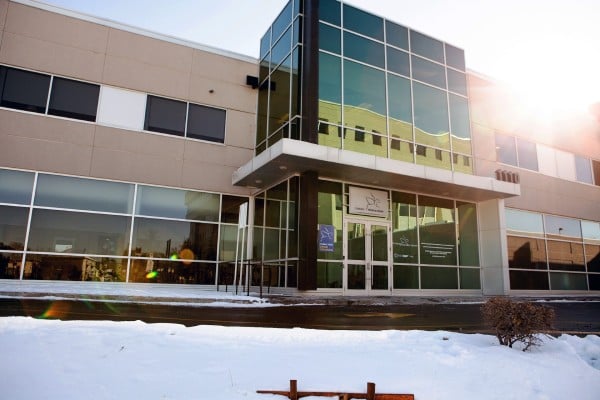
EHN Nouveau Départ Montréal
EHN Nouveau Départ Montréal offers inpatient addiction treatment in French.

EHN Bellwood Nova Scotia
Addiction Rehab in the Annapolis Valley, Nova Scotia - Holistic treatment in a warm, welcoming environment.
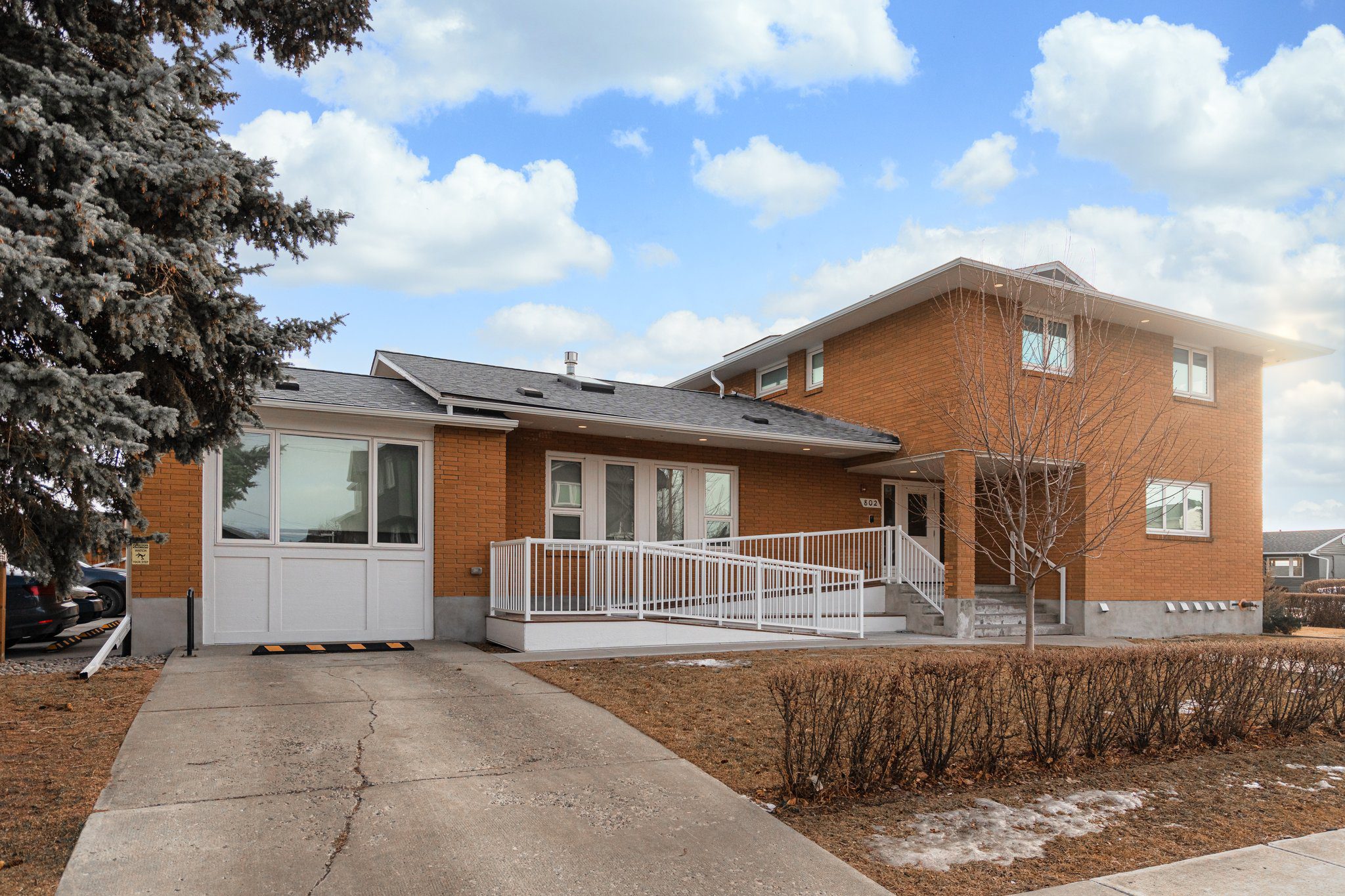
EHN Sandstone Recovery Centre
A government-funded, independently-run Eating Disorder treatment centre in Calgary, Alberta.

EHN Bellwood Toronto
Looking for treatment for addiction or a mental health disorder? We are Toronto’s #1 mental health and addiction recovery centre.


