

Concurrent Disorders: Understanding, Treatment, and Recovery
Concurrent disorders, also called co-occurring disorders, occur when a mental health condition and a substance use disorder are being experienced at the same time. Correctly diagnosing these concerns and developing an evidence-based treatment plan to address both is essential for lasting recovery.

What are concurrent disorders?
Concurrent disorders refer to the presence of both a mental health condition (such as depression, anxiety, PTSD, or bipolar disorder) and a substance use disorder (involving alcohol, prescription medications, cannabis, opioids, stimulants, etc.).1,2 You might also hear the term co-occurring disorders.3 In Canada, the terms co-occurring disorders and concurrent disorders are used interchangeably to describe when a person experiences both a mental health concern and a substance addiction at the same time—two conditions that interact and often make each other worse.
Why does this matter? Treating one condition without addressing the other often leads to revolving‑door cycles of relapse, symptom flare‑ups, and frustration. Effective care recognizes the bidirectional relationship between mental health symptoms and substance use—and treats both together.3,4
The term dual diagnosis is often used in American literature to refer to what are called concurrent disorders in Canada. However, in Canada, dual diagnosis usually refers to a different condition altogether.5,6
Concurrent disorders can appear in many combinations. Some common examples of concurrent disorders include:
- Depression and substance use disorders: People may use substances to numb low mood, guilt, or hopelessness, which can worsen depression over time. 3, 7–9
- Anxiety disorders and substance use: Alcohol or sedatives may appear to “take the edge off” but often increase anxiety, sleep problems, and dependence. 3,4,10
- PTSD and addiction: Substances can temporarily dull intrusive memories or hypervigilance, but without trauma‑informed care, reliance on substances can grow. 11–12
- Bipolar disorder and substance use: Stimulants or alcohol can intensify mood swings, increase impulsivity, and interfere with the effectiveness of prescribed medications.13,14
Other combinations include OCD, ADHD, personality‑related challenges, chronic pain, or psychotic disorders with substance use. Regardless of the pairing, evidence-based, holistic care is essential for recovery.
Depression and substance use disorders
Depression can involve persistent sadness, loss of interest, low energy, sleep or appetite changes, and feelings of worthlessness. When paired with substance use, alcohol or drugs may seem to offer relief from heavy emotions. Over time, however, they disrupt brain chemistry, worsen mood, and increase isolation. Effective treatment plans combine antidepressant options (as appropriate), behavioural activation, cognitive therapy, and substance use treatment (e.g., motivational interviewing, relapse‑prevention skills, and, when indicated, medication‑assisted treatment).
Anxiety disorders and substance use
With anxiety disorders, worry, panic, or social fear can become overwhelming. Substances like alcohol, cannabis, or benzodiazepines may provide short‑term relief, but they often exacerbate anxiety and disrupt sleep and concentration. Care typically blends CBT for anxiety (exposure and cognitive tools), skills for nervous‑system regulation, and strategies to replace substance‑based coping with safer, more sustainable approaches.
PTSD and addiction
In PTSD, intrusive memories, avoidance, negative shifts in mood and beliefs, and hyperarousal can be intense. People may use substances to sleep, reduce nightmares, or quiet the nervous system. Without trauma‑informed, concurrent treatment, this can evolve into addiction. Evidence‑based therapies—such as EMDR, Cognitive Processing Therapy (CPT), or Prolonged Exposure (PE) therapy—paired with substance‑use interventions can significantly reduce symptoms and improve functioning.
Bipolar disorder and substance use
Bipolar disorder involves cycles of depression and mania/hypomania. Substances can trigger or amplify mood episodes and complicate medications. Concurrent treatment focused on mood stabilizers (as prescribed), psychoeducation (sleep, routines, early‑warning signs), and substance use treatment that accounts for energy shifts and impulsivity during elevated mood states is essential.
Recognizing signs of concurrent disorders helps you seek help sooner. While experiences vary, common symptoms of co-occurring disorders include:
- Escalating use of alcohol or drugs to manage emotions, sleep, or pain
- Worsening mental health symptoms despite attempts to cut back or quit
- Frequent crises (missed work or school, relationship conflict, legal or financial issues)
- Withdrawal from supports or activities you used to enjoy
- Changes in sleep or appetite, low energy, or agitation
- Memory or concentration problems
- Increased tolerance or withdrawal symptoms when not using
- High‑risk behaviours (driving impaired, unsafe sex, impulsive spending)
- Hopelessness or thoughts of self‑harm
If you see yourself or a loved one in several of these areas—especially if patterns persist for more than a few weeks—an assessment for concurrent disorders can clarify next steps. Our admissions coordinators would be happy to speak with you and recommend the best treatment program.
Concurrent disorders can touch every part of a person’s life. When mental health and substance use challenges happen at the same time, they often feed off each other, making both harder to manage. Over time, this can affect how someone feels, thinks, and connects with the world around them.
Mentally, people may experience stronger or more frequent symptoms of depression, anxiety, PTSD, or mood swings. These struggles can feel overwhelming and may lead to hopelessness or thoughts of self-harm. Physically, it’s common to experience sleep problems, chronic pain, digestive issues, headaches, or an increased risk of heart and metabolic conditions. When the body is under stress, recovery can feel even more difficult.
Concurrent disorders can also affect how the brain works. Concentration, memory, planning, and decision-making may become harder, which can make it tough to stay on track with treatment or responsibilities. Relationships often feel the strain, too. Misunderstandings and conflict can build, trust can break down, and isolation sometimes follows, even from people who want to help.
These challenges can spill over into other parts of life. Work or school might become harder to manage, leading to missed days, lower performance, or added stress. Safety can also be a concern, with an increased risk of overdose, accidents, or contact with the legal system.
The good news is that with the right support, recovery is possible. When care for mental health and substance use is coordinated and evidence-based, people can regain balance, strengthen their relationships, and improve their overall quality of life.
Evidence‑based Treatment for Concurrent Disorders
Concurrent disorder treatment works best when it’s coordinated—one plan addressing both mental health and substance use together.2,3 There are several approaches that can work together to help you or a loved one:
Integrated psychotherapy
- Cognitive Behavioural Therapy (CBT): addresses unhelpful thoughts and behaviours that contribute to substance use or mental health symptoms
- Dialectical Behaviour Therapy (DBT): builds skills for emotion regulation, distress tolerance, interpersonal effectiveness, and mindfulness—useful when urges or emotions feel overwhelming
- Motivational Interviewing (MI): strengthens personal motivation and commitment to change, crucial when ambivalence is high
- Relapse Prevention Therapy: identifies triggers, rehearses coping plans, and builds protective routines
- Trauma‑focused therapies (for those with PTSD): EMDR, CPT, or Prolonged Exposure (PE) therapy, delivered alongside substance‑use interventions
Medication and medical support
- Medication‑assisted treatment (where appropriate): this could include buprenorphine/naloxone or methadone for opioid use disorder; naltrexone, acamprosate, or disulfiram for alcohol use disorder; tailored strategies for nicotine, stimulant, or cannabis use
- Psychiatric medications: SSRIs/SNRIs, mood stabilizers, or other agents for depression, anxiety, or bipolar disorder—prescribed and monitored by clinicians who understand co‑occurring conditions
- Sleep and pain management: non‑addictive strategies, physiotherapy, or medical interventions that don’t undermine recovery
- Detox: medically supervised detox from alcohol or drugs before treatment begins

Skills and lifestyle supports
Alongside therapy and, when appropriate, medication, daily practices and supports play a vital role in maintaining mental health stability and promoting long-term recovery from concurrent disorders. Aftercare programs help individuals strengthen the skills they learned in treatment, understand how co-occurring conditions affect the brain, mood, and body, and stay motivated to make lasting, positive changes. Peer support and alumni networks reduce isolation and foster a sense of belonging, while family sessions improve communication, set healthy boundaries, and help loved ones support recovery in a constructive way.
Lifestyle habits also make a powerful difference in managing concurrent disorders. A consistent sleep routine supports mood regulation and energy levels, while movement and exercise—even gentle activity—can ease anxiety, lift mood, and help manage stress. Balanced nutrition supports the body’s healing process, restores energy, and helps stabilize blood-sugar levels, which can reduce irritability and fatigue during recovery.
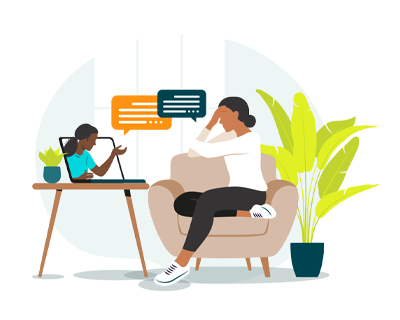
Finally, digital tools such as secure apps, telehealth, and Virtual Intensive Therapy Programs (VITPs) make it easier to practice recovery skills and stay connected to care, even from home. Together, these practices and supports create a strong foundation for sustainable recovery and a more balanced, fulfilling life.
Why can concurrent disorders feel so hard to treat?
Treating concurrent disorders can be complex. Mental health and substance use services are often separated, so people may have to move between different providers, repeating their story and trying to coordinate care on their own. Without a shared plan, it’s easy to feel lost or unsupported.2,3
Diagnosing can also be difficult. Symptoms of substance use, withdrawal, and conditions such as anxiety, ADHD, depression, or bipolar disorder can overlap and mimic one another, making it hard to know what’s really going on.3,4 At the same time, stigma and shame can make it harder to ask for help—especially when there’s fear of judgment or legal consequences.
Medications and substances can interact in complicated ways, which means medical care needs to be carefully monitored. Motivation to change can also shift over time. Effective approaches use harm-reduction and motivational strategies to meet people where they’re at and help them build momentum toward recovery.
Practical barriers, like cost, distance, childcare, or work, can also make accessing treatment difficult. Options such as virtual programs and flexible scheduling can reduce those barriers and make care easier to reach.
A compassionate, evidence-based approach that treats the whole person helps address these challenges. With the right support, recovery becomes more coordinated, more accessible, and longer lasting.
For some individuals, residential (inpatient) treatment for co-occurring disorders offers the safest and most effective start to their recovery journey. This level of care provides a highly structured, supportive environment, especially for those with severe symptoms or high-risk substance use. It is ideal for individuals who need medical detox or 24/7 support, have experienced repeated outpatient attempts without sustained progress, or are dealing with co-occurring trauma that requires intensive care. Additionally, residential treatment is crucial for those in an unsafe or unsupportive home environment, where recovery might be compromised.
EHN Canada’s treatment programs include a thorough assessment by a team of medical, psychiatric, and therapy professionals who work together with you to create a personalized care plan. The treatment schedule is comprehensive, incorporating individual counselling, skills groups, group therapy, and relapse prevention planning. Medical care is a key component, including medication management, health monitoring, and support for issues such as sleep disturbances or chronic pain.
In addition to clinical treatment, a holistic approach is emphasized, integrating physical exercise, nutritious meals, and meditative practices to promote overall well-being. Family programming is also available, offering loved ones education and boundary-setting skills to strengthen the support network at home. As treatment progresses, the care team works closely with each individual to create a personalized post-treatment plan, which may include a step down to virtual programming and continued participation in Aftercare to maintain long-term recovery.

Succeeding in concurrent treatment
At EHN Canada, you’ll have access to the support you need to feel good for good.
Your lasting success begins as soon as you contact admissions. Our admissions coordinators evaluate your needs to help you find the right program for you.
Every aspect of treatment—from the structure and tight-knit community to the evidence-based approach and limited distractions, and one-on-one and group counselling—is carefully selected to support your success. You’ll work with a specialized team of doctors, therapists, nurses, psychiatrists, and other mental health experts who will help you build the foundation for lasting recovery.
After treatment, eligible patients receive ongoing support through our comprehensive Aftercare program, which includes access to group therapy sessions in-person or online. You’ll also gain access to a thriving recovery community of EHN alumni to help you feel connected long after you’ve left treatment.
If you’re not quite ready to return home, our Extended Care Program at EHN Edgewood Nanaimo helps you practice the skills you’ve learned in a safe environment. We’re here for you as you navigate your first years of sobriety.

Aftercare
Every patient has different needs for maintaining lifelong recovery. Aftercare is an ongoing extension of your treatment program through weekly in-person or virtual group therapy sessions.
No matter what program you attend, Aftercare is a key component. It is designed to support individuals after they graduate from a treatment program by reviewing coping strategies, problem-solving for current situations and sharing experiences with others within their alumni community. Longer participation in Aftercare is associated with better long-term recovery outcomes.
Family Program
Our Family Program helps your loved ones understand what you’re going through, find support for themselves, and learn how to be part of your long-term recovery.
Recovery from concurrent disorders is a journey, not a single event. It takes time, support, and ongoing care to build stability and confidence. Long-term recovery often involves a mix of approaches that work together to support lasting change:
- Aftercare: weekly groups to practice skills and maintain momentum while getting support from peers
- Alumni: stay connected and supported by your fellow alumni
- Relapse-prevention planning: identify early warning signs—such as changes in sleep, irritability, or avoidance—and outline specific steps to take when they appear
- Meaningful activities: engage in work, learning, volunteering, or creative outlets that align with your values and sense of purpose
- Supportive relationships: maintain boundaries and communication that protect your energy and foster connection
- Medication follow-up: continue reviewing doses, side effects, and goals with your doctor or pharmacist as your needs and life circumstances change
- Stepped care: recognize when you may need to step up to more intensive support (like a VITP) and when it’s safe to step down as you regain stability
1. McKee, S. A. Concurrent substance use disorders and mental illness: Bridging the gap between research and treatment. Canadian Psychology vol. 58 Preprint at https://doi.org/10.1037/cap0000093 (2017).
2. Hakobyan, S. et al. Concurrent disorder management guidelines. Systematic review. Journal of Clinical Medicine vol. 9 1–16 Preprint at https://doi.org/10.3390/jcm9082406 (2020).
3. Iqbal, M. N., Levin, C. J. & Levin, F. R. Treatment for Substance Use Disorder With Co-Occurring Mental Illness. Focus (Madison) 17, 88–97 (2019).
4. Grant, B. F. et al. Prevalence and co-occurrence of substance use disorders and independent mood and anxiety disorders: Results from the national epidemiologic survey on alcohol and related conditions. Archives of General Psychiatry vol. 61 Preprint at https://doi.org/10.1001/archpsyc.61.8.807 (2004).
5. Lunsky, Yona. & Weiss, Jonathan. Dual Diagnosis: An Information Guide. (Centre for Addiction and Mental Health, 2012).
6. Skinner, W. J. Wayne., O’Grady, C. P. ., Bartha, Christina. & Parker, Carol. Concurrent Substance Use and Mental Health Disorders: An Information Guide. (Centre for Addiction and Mental Health, 2015).
7. Kranzler, H. R. & Rosenthal, R. N. Dual diagnosis: Alcoholism and co-morbid psychiatric disorders. American Journal on Addictions vol. 12 Preprint at https://doi.org/10.1111/j.1521-0391.2003.tb00494.x (2003).
8. Swendsen, J. D. & Merikangas, K. R. The comorbidity of depression and substance use disorders. Clin Psychol Rev 20, (2000).
9. Nunes, E. V. & Levin, F. R. Treatment of Depression in Patients with Alcohol or Other Drug Dependence: A Meta-analysis. JAMA vol. 291 Preprint at https://doi.org/10.1001/jama.291.15.1887 (2004).
10. Pasche, S. Exploring the comorbidity of anxiety and substance use disorders. Current Psychiatry Reports vol. 14 Preprint at https://doi.org/10.1007/s11920-012-0264-0 (2012).
11. Mccauley, J. L., Killeen, T., Gros, D. F., Brady, K. T. & Back, S. E. Posttraumatic Stress Disorder and Co-Occurring Substance Use Disorders: Advances in Assessment and Treatment. Clinical Psychology: Science and Practice 19, (2012).
12. Brady, K. T., Back, S. E. & Coffey, S. F. Substance abuse and posttraumatic stress disorder. Current Directions in Psychological Science vol. 13 Preprint at https://doi.org/10.1111/j.0963-7214.2004.00309.x (2004).
13. Salloum, I. M. & Brown, E. S. Management of comorbid bipolar disorder and substance use disorders. American Journal of Drug and Alcohol Abuse vol. 43 Preprint at https://doi.org/10.1080/00952990.2017.1292279 (2017).
14. Krishnan, K. R. R. Psychiatric and medical comorbidities of bipolar disorder. Psychosomatic Medicine vol. 67 Preprint at https://doi.org/10.1097/01.psy.0000151489.36347.18 (2005).
Frequently Asked Questions About Concurrent (Co-Occurring) Disorders
-
What’s the difference between “dual diagnosis” and “concurrent disorders”?
In Canada, concurrent disorders (or co-occurring disorders) is the preferred term for when someone experiences both a mental health concern and a substance use issue at the same time. The term dual diagnosis is more commonly used in the US and other countries, but in Canada, it can also be used to refer to someone who has both a developmental disability and a mental health condition.
-
How long does treatment take?
The length of treatment depends on each person’s needs and goals. Some people benefit from shorter, structured therapy programs, while others may require longer periods of care and ongoing support. What matters most is finding the right level of intensity at the right time to build lasting recovery and stability.
-
Will I need medication to help with my concurrent disorder?
This decision is made on a case-by-case basis. Medications can be extremely helpful for mood, anxiety, sleep, and cravings, but they aren’t always necessary. Decisions on medication-assisted therapy are collaborative and based on your medical history, goals, and preferences.
-
How can loved ones help?
The support of loved ones is very important in the recovery of someone experiencing concurrent disorders. Loved ones can help by listening without judgment, maintaining clear boundaries, avoiding enabling harmful behaviours, educating themselves on the topic, and looking into receiving their own therapy. EHN Canada offers a Family Program for the loved ones of individuals going through treatment. You deserve support, too.
Featured Locations
Whether you want to seek help near home or farther afield, you have lots of options. EHN Canada has locations all over the country.

EHN Bellwood Toronto
Looking for treatment for addiction or a mental health disorder? We are Toronto’s #1 mental health and addiction recovery centre.

EHN Edgewood Nanaimo
BC’s Leading Evidence-Based, Accredited Rehab for Addiction Recovery and Mental Health Treatment
Related Resources on Co-Occurring and Dual Treatment Programs
Let’s talk about… Virtual Intensive Therapy Programs
July 29, 2026
With Emily Imrie, MSW, RSW, Interim Clinical Director | EHN Outpatient Services Join Emily Imrie, MSW,…


How Hard Should We Work
July 8, 2026
With Helen Luedee, MSW, RSW, Clinical Specialist | Executive Director of EHN…

Myths and facts about summer treatment
June 15, 2026
Is summer the right time to begin treatment for addiction and a…


