Alcohol Addiction Treatment: Understanding, Signs, Symptoms, and Treatment Options
Alcohol is the most used and abused substance in Canada. According to Statistics Canada, nearly one in five Canadians drinks excessively. EHN Canada runs the country’s largest network of rehab centres from coast to coast with evidence-based programs designed for you.
What is Alcohol Addiction (Alcohol Use Disorder)?
Alcohol use disorder (AUD) is a medical condition where alcohol use becomes difficult to control and begins to affect health, relationships, or daily responsibilities1. It can range from mild to severe. While the term “alcoholism” is still used in some places, healthcare professionals use person-first language such as “a person living with alcohol use disorder” because it is more accurate and respectful.
Alcohol use disorder is not a sign of weakness or moral failure. It is a complex condition influenced by many factors, including biology, mental health, trauma, stress, and environment. Most importantly, it is treatable. With the right support and evidence-based programs, people can regain their health, stability, and sense of purpose.
Recognizing the signs and symptoms of alcohol use disorder early can make it easier to get effective care and start recovery sooner. Everyone’s experience is different, but there are common signs and symptoms to look out for1:
Signs
- Drinking more or for longer periods than planned
- Feeling unable to cut down or control drinking, even after trying
- Spending a lot of time drinking, recovering from drinking, or thinking about alcohol
- Neglecting responsibilities at work, school, or home
- Withdrawing from hobbies, social events, or activities once enjoyed
- Drinking in risky situations, such as before driving or while caring for children
- Continuing to drink despite relationship problems or health issues
Symptoms
- Tolerance: Needing more alcohol to feel the same effects, or finding that usual amounts have less impact
- Withdrawal: Physical or emotional discomfort when alcohol use is reduced or stopped
- Shakiness or hand tremors
- Sweating or clamminess
- Nausea, vomiting, or loss of appetite
- Headaches or dizziness
- Anxiety, irritability, or restlessness
- Difficulty sleeping or vivid, unsettling dreams
- Rapid heartbeat or feeling jumpy
- In severe cases, confusion, seizures, or hallucinations (a medical emergency)
- Physical effects: Frequent hangovers, fatigue, changes in weight or appetite, or recurring stomach or liver discomfort
- Cognitive and emotional changes: Memory lapses (“blackouts”), poor concentration, or feeling detached or numb
- Mood changes: Increased irritability, depression, or anxiety that worsens when not drinking
- Using alcohol to cope: Drinking to manage stress, sadness, or physical discomfort
If several of these patterns continue for a month or more, an assessment can help you understand what’s happening and explore treatment options.
AUD usually results from many factors working together:
- Biology and brain chemistry: Alcohol can disrupt the brain’s reward pathways, stress response, and sleep regulation systems. Over time, the brain adapts to these bodily changes, making cutting down on alcohol harder to achieve without support.
- Genetics and family history: Some people have increased vulnerability.
- Mental health and trauma: Depression, anxiety, PTSD, and other conditions are common before AUD develops. Alcohol may temporarily numb distress, but it worsens symptoms over time.
- Environment and stress: Availability of alcohol, workplace pressure, shift work, isolation, or peer culture can increase risk.
- Early exposure and learned patterns: Starting young or using alcohol to cope with emotions can create long-term coping patterns that increase vulnerability to AUD.
Protective factors, like supportive relationships, healthy routines, and early counselling, reduce risk and strengthen recovery. Our treatment programs concurrently address alcohol use and any additional factors, such as PTSD or depression. Treating them at the same time leads to a better chance at long-term recovery.
Alcohol affects both mental and physical health2, often more deeply than people realize. The good news is that many of these effects can improve with reduced use or sustained abstinence, especially with medical and therapeutic support.
For mental health, alcohol can intensify depression and anxiety. It disrupts brain chemistry and sleep, leading to low mood, worry, and irritability. Fragmented sleep and poor concentration are common, and heavy use or withdrawal may contribute to increased thoughts of self-harm.
On the physical side, alcohol places strain on the body. The liver and digestive system are most at risk, with conditions like fatty liver, hepatitis, or pancreatitis. It can raise blood pressure, disturb heart rhythm, weaken the immune system, and slow healing. Long-term use also increases the risk of certain cancers and injuries.
Recovery brings real healing—both body and mind can regain strength with time, treatment, and support.
It’s common for AUD to occur alongside other conditions3—sometimes called concurrent disorders or co‑occurring disorders:
- Depression and AUD: alcohol can deepen low mood and hopelessness—our programs treat them at the same time
- Anxiety disorders and AUD: alcohol may temporarily “take the edge off,” but it fuels anxiety cycles
- PTSD and AUD: people may drink to dull intrusive memories or improve sleep; trauma‑informed therapy and AUD treatment together is essential
- Bipolar disorder and AUD: alcohol can intensify mood swings and interfere with medications
When concerns occur together, treatment works best when they’re addressed together—one coordinated plan for both mental health and alcohol use.
Stopping alcohol suddenly can be dangerous for some people, particularly after heavy or long‑term use. Medical withdrawal management (detox) may be recommended if you have:
- A history of severe withdrawal, seizures, or delirium tremens (confusion, fever, high blood pressure, hallucinations)
- Heavy daily use, especially with morning drinking
- Significant medical conditions or pregnancy
- Limited support at home
If you or a loved one want to stop heavy or long-term alcohol use, you should not attempt to quit alcohol on their own. If you plan to get treatment for alcohol addiction, seek out an addiction treatment provider that can provide 24/7 medical supervision, and medication if necessary, during the detox process. At EHN Canada, you will be supported by a team of medical experts who specialize in alcohol use and addiction—including doctors, nurses, and psychiatrists—to build the foundation for recovery.

Evidence‑Based Treatment for Alcohol Use Disorder
Effective plans are personalized and often combine several approaches:
Psychotherapies
- Motivational Interviewing (MI) and Motivational Enhancement Therapy (MET): encourage open, supportive conversations that help people reconnect with their own reasons for change4
- Cognitive Behavioural Therapy (CBT): teaches practical ways to manage triggers, challenge unhelpful thoughts, and prepare for situations that might put recovery at risk5
- Dialectical Behaviour Therapy (DBT): builds emotional regulation, distress tolerance, and communication skills—helping people stay balanced when emotions or urges are intense6
- Relapse Prevention Therapy: focuses on recognizing early warning signs and practising healthy responses before setbacks occur7
- Trauma-focused therapies such as EMDR, Cognitive Processing Therapy (CPT), or Prolonged Exposure (PE): address PTSD and trauma symptoms that often occur alongside alcohol use disorder8
Medications for AUD (when appropriate)
For some people, medication can support recovery by reducing cravings and lowering the risk of relapse. Under medical supervision:
- Naltrexone (pill or injection) can lessen alcohol’s rewarding effects and make cravings easier to manage9–11
- Acamprosate helps the brain restore its natural balance during abstinence and may ease lingering withdrawal symptoms10
- Disulfiram creates a strong physical reaction if alcohol is consumed, reinforcing abstinence when used safely under supervision12
The best option depends on each person’s health and goals. Medication works best as part of a full treatment plan that includes counselling, skill-building, and ongoing support.
Skills and lifestyle supports
Alongside therapy and, when appropriate, medication, daily practices and supports play a vital role in maintaining sobriety and promoting long-term recovery. Aftercare helps people strengthen the skills they learned in treatment, understand how alcohol use continues to affect the brain, mood, and body, and stay motivated to make lasting, positive changes. Peer support and alumni networks reduce isolation and foster a sense of belonging, while family sessions strengthen communication, set healthy boundaries, and help loved ones support your recovery.
Lifestyle habits also make a powerful difference. A consistent sleep routine supports mood and energy regulation, while movement and exercise—even gentle activity—can ease anxiety, lift mood, and help manage cravings. Balanced nutrition supports the body’s healing process, restores energy, and helps stabilize blood-sugar levels, which can reduce irritability and fatigue in early recovery.
Finally, digital tools such as secure apps, telehealth, and virtual Intensive Outpatient Programs (IOPs) or Virtual Intensive Therapy Programs (VITPs) make it easier to practice recovery skills and stay connected to care, even from home13–15. Together, these practices and supports create a strong foundation for sustainable recovery and a more balanced, fulfilling life.
Everyone’s path to recovery is different. A thorough assessment with one of our admissions coordinators can help match intensity to need.
Inpatient (Residential) Alcohol Treatment
Inpatient or residential alcohol treatment is the most intensive and effective option for individuals with severe alcohol use disorder (AUD) and co-occurring conditions such as PTSD or depression. It offers a safe, structured space to focus fully on recovery.
During inpatient treatment for alcohol use disorder at EHN Canada, clients receive 24/7 care and support from a multidisciplinary team that includes medical, psychiatric, and therapy professionals. Each treatment plan combines individual counselling and evidence-based group therapies such as Cognitive Behavioural Therapy (CBT) and Dialectical Behaviour Therapy (DBT), alongside holistic wellness services that promote physical and emotional healing.
Comprehensive medication management and medical monitoring help ensure safety and comfort throughout detoxification and recovery. Clients and their loved ones also benefit from our Family Program, which focuses on education, communication, and boundary-setting to strengthen support at home. As treatment progresses, the care team works closely with each individual to create a personalized post-treatment plan, which may include a step down to virtual programming and continued participation in Aftercare to maintain long-term recovery.
Day Programs/Partial Hospitalization
Structured daytime treatment with evenings at home are ideal as a step‑down from residential care or as an alternative when safety is not a concern.
Intensive Outpatient and Virtual Intensive Treatment Programs (IOPs and VITPs)
For those who need flexible access to care, EHN Canada’s virtual treatment programs offer the same structure and clinical expertise as an Intensive Outpatient Program (IOP), delivered entirely online through our Virtual Intensive Treatment Program (VITP) model. These programs provide multiple sessions of group and individual therapy each week, allowing clients to continue working, studying, or caring for family while receiving structured, evidence-based treatment.
Virtual IOPs and VITPs remove geographic barriers and make recovery support accessible anywhere in Canada. Participants engage in therapies, such as CBT and DBT, all delivered by qualified counsellors. Treatment also includes relapse-prevention planning, skills practice, and connection with peers to encourage long-term success.
EHN Canada’s Virtual Intensive Treatment Program for addiction is designed for individuals experiencing mild to moderate symptoms of alcohol use disorder, providing a flexible, compassionate, and effective path to recovery—without stepping away from daily life.
The effects of AUD extend beyond the individual experiencing the addiction. It can also take a toll on loved ones. This is why programs for AUD are most effective when they offer support for loved ones, allowing them to:
- Learn about AUD and set healthy boundaries
- Practice communication skills (asking for what you need, saying no to enabling)
- Join family education or support groups
- Encourage treatment while respecting autonomy
- Take care of your own wellbeing—you matter
Succeeding in an Alcohol Treatment Program
We provide you with the support you need to stay sober long after you leave your program.
Your lasting success begins as soon as you contact admissions. Our admissions coordinators evaluate your needs to help you find the right program for you. For example, not every patient needs inpatient treatment; our virtual program is perfect for people who need more intensive support than occasional counselling but can still function at work and at home.
While in rehab, every aspect of treatment—from the structure and tight-knit community to the evidence-based approach and limited distractions, and one-on-one and group counselling—is carefully selected to support your success. You’ll work with a specialized team of doctors, therapists, nurses, psychiatrists, and other mental health experts who will help you build the foundation for lasting recovery. We continually assess your progress and adjust our approach to fit your needs. Our alcohol treatment programs are both comprehensive and immersive.
After treatment, eligible patients receive ongoing support through our comprehensive Aftercare program, which includes access to group therapy sessions in person or online. You’ll also gain access to a thriving recovery community of EHN alumni to help you feel connected long after you’ve left treatment.
If you’re not quite ready to return home, our Extended Care Program at EHN Edgewood Nanaimo helps you practice the skills you’ve learned in a safe environment. We’re here for you as you navigate your first years of sobriety.
Aftercare
Every patient has different needs for maintaining lifelong recovery. Aftercare is an ongoing extension of your treatment program through weekly in person or virtual group therapy sessions.
No matter what program you attend, Aftercare is a key component. It is designed to support individuals after they graduate from a treatment program by reviewing coping strategies, problem-solving for current situations, and sharing experiences with others within their alumni community. During Aftercare, patients will also have the opportunity to access drug and alcohol monitoring for continued accountability. Longer participation in Aftercare is associated with better long-term recovery outcomes.
Family Program
Our Family Program helps your loved ones understand what you’re going through, find support for themselves, and learn how to be part of your long-term recovery.
Recovery is a lifelong journey, not a single event. Key elements include:
- Aftercare: weekly groups to practice skills and maintain momentum while getting support from peers
- Relapse‑prevention planning: clear strategies for cravings, stress, travel, celebrations, and setbacks
- Medication follow‑up: adjust doses, manage side effects, and review goals
- Healthy routines: sleep, nutrition, movement, and meaningful activities (work, study, volunteering, creativity)
- Connection: alumni networks, peer support, and supportive friendships
- A plan for slips: a lapse is information, not failure—reach out early, review the plan, and continue forward
- Stepped care: increase support when needed (for example, a VITP) and step down as stability returns
1. Morse, R. M. & Flavin, D. K. The Definition of Alcoholism. JAMA: The Journal of the American Medical Association 268, (1992).
2. Rehm, J. The risks associated with alcohol use and alcoholism. Alcohol Research and Health 34, (2011).
3. Kranzler, H. R. & Rosenthal, R. N. Dual diagnosis: Alcoholism and co-morbid psychiatric disorders. American Journal on Addictions vol. 12 Preprint at https://doi.org/10.1111/j.1521-0391.2003.tb00494.x (2003).
4. Schwenker, R. et al. Motivational interviewing for substance use reduction. Cochrane Database of Systematic Reviews vol. 2023 Preprint at https://doi.org/10.1002/14651858.CD008063.pub3 (2023).
5. McHugh, R. K., Hearon, B. A. & Otto, M. W. Cognitive behavioral therapy for substance use disorders. Psychiatric Clinics of North America vol. 33 Preprint at https://doi.org/10.1016/j.psc.2010.04.012 (2010).
6. Dimeff, L. A. & Linehan, M. M. Dialectical behavior therapy for substance abusers. Addiction science & clinical practice 4, (2008).
7. Bowen, S. et al. Relative efficacy of mindfulness-based relapse prevention, standard relapse prevention, and treatment as usual for substance use disorders. JAMA Psychiatry 71, (2014).
8. Roberts, N. P., Roberts, P. A., Jones, N. & Bisson, J. I. Psychological therapies for post-traumatic stress disorder and comorbid substance use disorder. Cochrane Database of Systematic Reviews vol. 2016 Preprint at https://doi.org/10.1002/14651858.CD010204.pub2 (2016).
9. Oslin, D. W. et al. Naltrexone vs placebo for the treatment of alcohol dependence: A randomized clinical trial. JAMA Psychiatry 72, (2015).
10. Carmen, B., Angeles, M., Ana, M. & María, A. J. Efficacy and safety of naltrexone and acamprosate in the treatment of alcohol dependence: A systematic review. Addiction vol. 99 Preprint at https://doi.org/10.1111/j.1360-0443.2004.00763.x (2004).
11. Chick, J. et al. A multicentre, randomized, double-blind, placebo-controlled trial of naltrexone in the treatment of alcohol dependence or abuse. Alcohol and Alcoholism 35, (2000).
12. Jørgensen, C. H., Pedersen, B. & Tønnesen, H. The efficacy of disulfiram for the treatment of alcohol use disorder. Alcoholism: Clinical and Experimental Research vol. 35 Preprint at https://doi.org/10.1111/j.1530-0277.2011.01523.x (2011).
13. Delaney, R. K., Sisco-Taylor, B., Fagerlin, A., Weir, P. & Ozanne, E. M. A systematic review of intensive outpatient care programs for high-need, high-cost patients. Translational Behavioral Medicine vol. 10 Preprint at https://doi.org/10.1093/tbm/ibaa017 (2020).
14. McCarty, D. et al. Substance abuse intensive outpatient programs: Assessing the evidence. Psychiatric Services 65, (2014).
15. Campbell, J., Gabrielli, W., Laster, L. J. & Liskow, B. I. Efficacy of outpatient intensive treatment for drug abuse. in Journal of Addictive Diseases vol. 16 (1997).
FAQ: Alcohol Addiction/Alcohol Use Disorder
-
Is it “alcoholism” or “Alcohol Use Disorder (AUD)”?
They’re often used interchangeably online. Clinically, AUD is preferred because it’s neutral and descriptive. We also use person‑first language (e.g., a person living with AUD).
-
How long does treatment take?
The length of treatment depends on each person’s needs and goals. Some people benefit from shorter, structured therapy programs, while others may require longer periods of care and ongoing support. What matters most is finding the right level of intensity at the right time to build lasting recovery and stability.
-
Are medications safe?
Medications used for AUD have evidence of effectiveness and are prescribed with medical oversight. Your clinician will review benefits, risks, and interactions based on your health history and goals.
-
Will treatment affect my job?
Many people continue working during alcohol addiction treatment through confidential options, like a VITP or IOP. Some workplaces also offer EAPs or benefits for medical leave, and clinicians can provide documentation for accommodations if needed.
-
How can loved ones help?
The support of loved ones is very important in the recovery of someone experiencing AUD. Loved ones can help by listening without judgment, maintaining clear boundaries, avoiding enabling harmful behaviours, educating themselves on the topic, and looking into receiving their own therapy. EHN Canada offers a Family Program for the loved ones of individuals going through treatment. Because loved ones deserve support, too.
Related Programs
We offer inpatient, outpatient, and online programs to propel your recovery.
Featured Locations
Whether you want to seek treatment for alcohol addiction near home or farther afield, you have plenty of options. EHN Canada has locations all over the country.

EHN Edgewood Nanaimo
BC’s Leading Evidence-Based, Accredited Rehab for Addiction Recovery and Mental Health Treatment
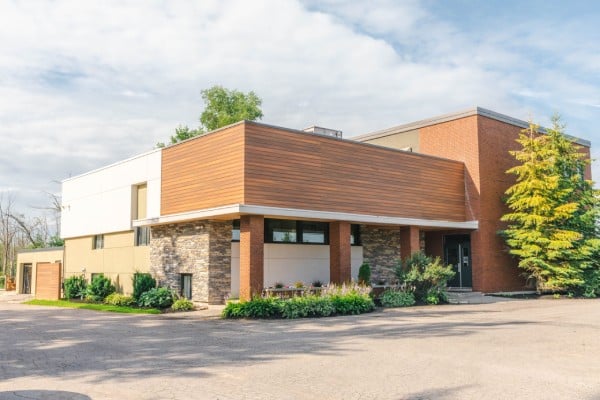
EHN Guardians Gateway
Evidence-based treatment for PTSD, Trauma, and Addiction for Military, Veterans, and First Responders in Peterborough, Ontario
EHN Nouveau Départ Montréal
EHN Nouveau Départ Montréal offers inpatient addiction treatment in French.
EHN Bellwood Nova Scotia
Addiction Rehab in the Annapolis Valley, Nova Scotia - Holistic treatment in a warm, welcoming environment.
EHN Bellwood Toronto
Toronto’s #1 Accredited Treatment Centre for Addiction and Mental Health Disorders