Who We Help: Your Patients & Clients
If you know someone who is struggling with worsening mental health and in need of an escalation in care, we’re here for you.

Your Struggle
As a healthcare provider, you do everything you can to help your patients live healthy lives. However, sometimes your clients may need more intensive outpatient treatment or an immersive, distraction-free inpatient environment to make further progress.
If you need support caring for a patient who is struggling with addiction or a mental health disorder, including depression and anxiety, trauma and PTSD, eating disorders, or OCD, we have your back. You can turn to EHN Canada’s collaborative medical community for help.

How We Help
EHN Canada’s treatment centres have 100+ years of combined experience helping people heal from mental illnesses and substance use. While many of our facilities have roots in addiction treatment, demand over the years for quality care has driven us to expand our clinical expertise to other areas of mental health, including trauma and PTSD, depression and anxiety disorders, eating disorders, and behavioural addictions.
We offer a number of ways for healthcare professionals to provide their patients with enhanced support, including referrals and consultations. During a patient’s treatment with EHN Canada, whether inpatient, outpatient, or online, we make sure to keep lines of communication open and provide progress updates from admission through to discharge. We recognize how important our community partners are in supporting each individual’s recovery success, and we work with you to optimize for best outcomes

Benefits of Being a Referral Partner
- Quick access to high quality treatment options including inpatient, outpatient, and online therapy
- Evidence-based approaches that include cognitive behavioural therapy (CBT), dialectical behavioural therapy (DBT), and motivational interviewing (MI)
- 24/7 medical and nursing support in residential treatment, with doctors and psychiatrists trained in addiction medicine on site
- Therapy led by registered mental health professionals, including psychotherapists, counsellors, social workers, occupational therapists, and physical health specialists
- Strong combination of both individual and group therapy
- Peer support groups including AA, NA, and SMART Recovery
- Relapse prevention planning
- Comprehensive discharge planning
- Up to 12 months of Aftercare included for eligible patients who complete a program
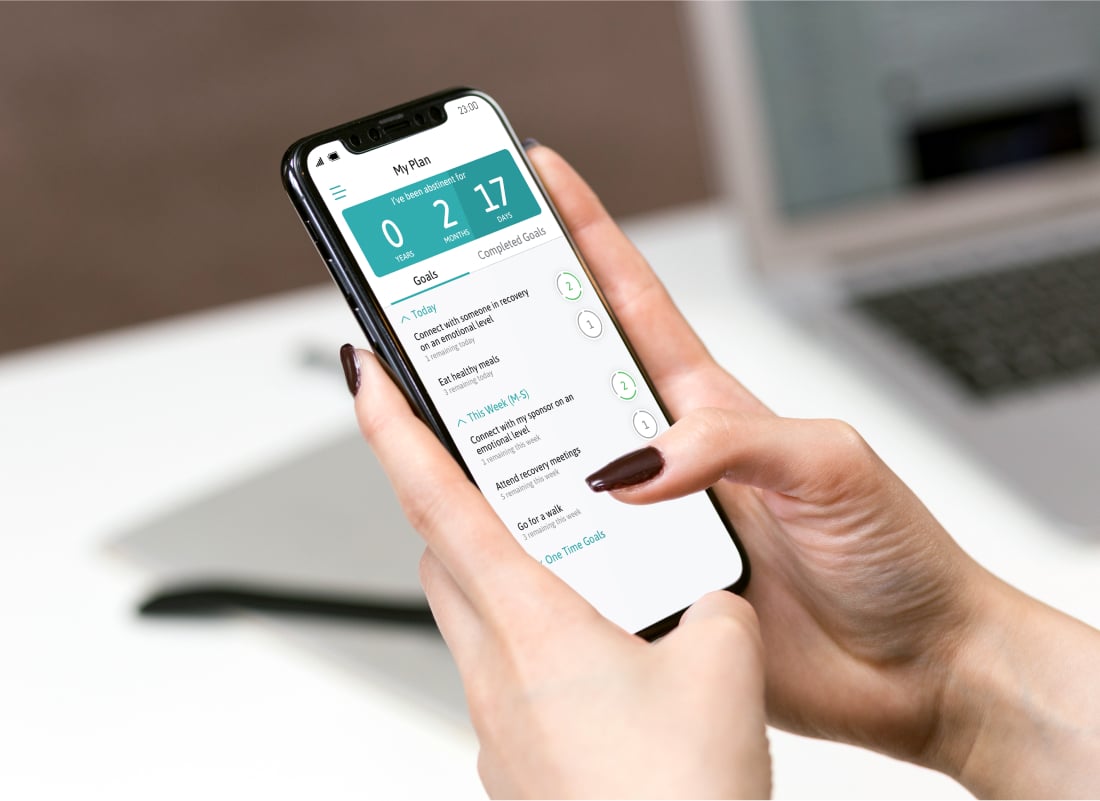
- Access to the Wagon app for setting goals, tracking progress, and monitoring triggers
- Family workshops and education provided throughout
- Dedicated Business Development Team and Client Care Specialists (CCS) to coordinate referral and reporting requirements
What We Treat

We’re proud to offer a comprehensive range of treatment programs for mental health disorders including addiction, depression, anxiety, eating disorders, OCD, and concurrent concerns. Below are just some of the concerns we treat.

Alcohol Addiction
Alcohol continues to be the most used and abused substance in Canada. Our alcoholism treatment program is designed to help you break free from the cycle of addiction and live a life you love.

Depression, Anxiety, Bipolar Disorder
If crippling feelings of despair or fear, panic attacks, or mood swings have taken over your life, we can help you get back in charge with innovative, evidence-based treatment.

EHN Edgewood Nanaimo
BC’s Leading Evidence-Based, Accredited Rehab for Addiction Recovery and Mental Health Treatment
EHN Online
We make care accessible and convenient by offering evidence-based treatments for addiction, drug use, and other mental illnesses in a virtual format.

EHN Sandstone Recovery Centre
A government-funded, independently-run Eating Disorder treatment centre in Calgary, Alberta

EHN Bellwood Toronto
Toronto’s Leading Addiction and Mental Health Inpatient Treatment for addiction, trauma, OCD, eating disorders and other mental health concerns
EHN Guardians Gateway
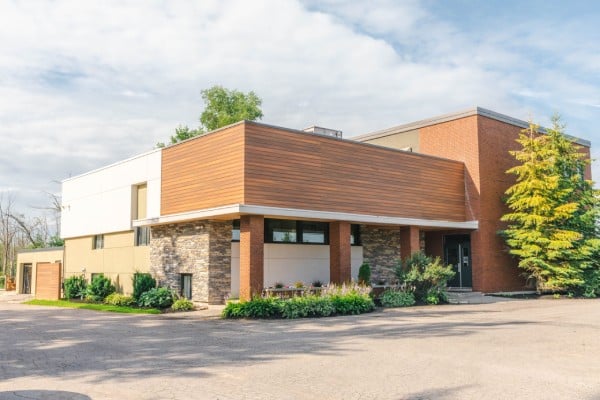
Trauma and Addiction Treatment Created for Military, Veterans, and First Responders. At EHN Guardians Gateway in Peterborough, Ontario (approximately 1.5 hours outside of Toronto), we’re proud to offer our clients evidence-based treatment for trauma and addiction. And it is all designed with the unique needs of active service members, veterans, first responders, and healthcare providers […]
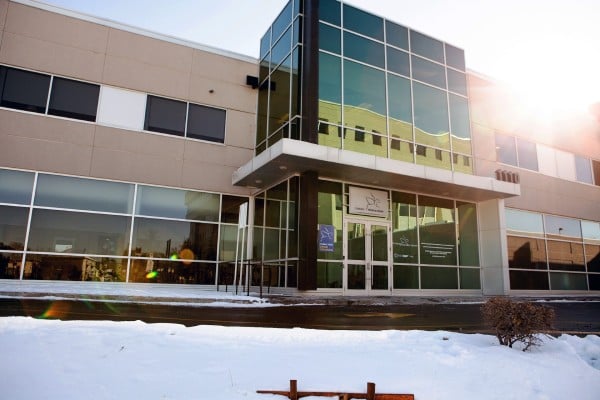
EHN Nouveau Départ Montréal
EHN Nouveau Départ Montréal offers inpatient addiction treatment in French.
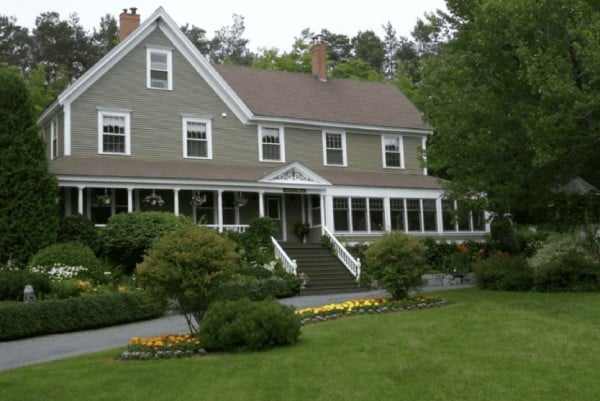
EHN Bellwood Nova Scotia
Addiction Rehab in the Annapolis Valley, Nova Scotia - Holistic treatment in a warm, welcoming environment