MENTAL HEALTH AND ADDICTION SUPPORT FOR LOVED ONES
Support your family, friends, and loved ones who are struggling with mental health or addiction concerns.
When someone you care about is struggling with addiction or mental health concerns, you may feel worried, unsure what to do, and desperate to help. Families and loved ones are often the first to notice when someone needs support, and you play a crucial role in helping them take the first step toward treatment.
Whether your loved one is facing substance use or mental health concerns, we are here to support you with guidance, tools, and compassionate support as you encourage them to seek help.
Our team understands that helping someone access treatment is a complex and emotional process. That’s why we provide the education, strategies, and professional guidance you need to navigate difficult conversations, and connect your loved one to the right level of care. With treatment facilities across Canada, virtual options, family programming, and alumni communities, we’re here to walk this path with you.
Millions of Canadians are being impacted by mental health challenges and addiction each day.
One in five Canadians will personally experience a mental health concern or illness in any given year.
21% of Canadians—around 6 million people—will meet the criteria for addiction in their lifetime.
How our treatment programs support loved ones
At EHN Canada, we are proud to help people from coast to coast (and even around the world) recover from addiction and mental health disorders. Our unique combination of evidence-based treatment, expert clinicians, and inpatient and virtual treatment options means a better chance at a life in recovery.
Allows loved ones the chance to heal
Watching someone you care about struggle with addiction or their mental health hurts you too.
Learn skills to support their recovery
You can play an important role in your loved one’s long-term recovery.
Convenient virtual programming
Connecting online makes it easier for you to learn new skills right from home.
Connect with our alumni community
We host fun events for our alumni and their loved ones all year long.
Addiction and mental health support programs for your loved ones
EHN Canada Family Program
A combination of webinars and interactive workshops to help families heal and learn how to offer support.
Click to Read More
Virtual intensive therapy programs
Three online programs for addiction, depression and anxiety, and trauma.
Click to Read MoreInpatient treatment
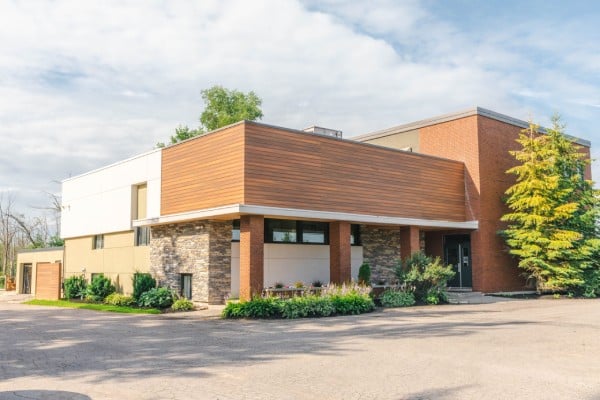
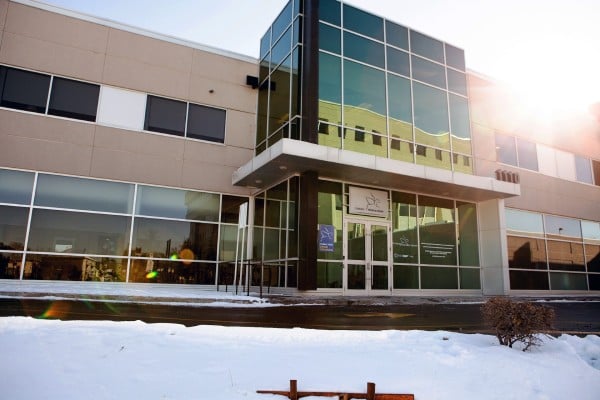
Explore our nationwide network of world-class inpatient treatment facilities.
Click to Read MoreGet help now
Want our team to reach out and discuss treatment options? Fill out our form and we’ll be in touch soon.
Want to find out more about treatment?
Frequently Asked Questions
-
How can I tell if someone has an addiction or mental health disorder?
Addiction and mental health disorders can affect behaviour, emotions, and physical health. While they can present in a variety of ways, common signs include:
- Secrecy, defensiveness, or withdrawal from friends and family
- Changes in sleep, appetite, or hygiene
- Neglecting responsibilities at work, school, or home
- Physical changes such as weight loss or tremors
- Mood swings, irritability, or loss of interest in activities
- New or increased use of substances such as alcohol, cannabis, opioids, or stimulants
A free, confidential mental health and addiction assessment can help your loved one better understand their symptoms and learn about treatment options. Call us at 1-866-963-6343 or fill out our contact form to get started.
-
What is the best way to talk to someone about getting mental health or addiction treatment?
Starting a conversation about mental health or addiction can be challenging. Approaching it with care, patience, and active listening helps your loved one feel heard and supported.
Some ways to prepare for an intervention:
- Focus on listening first. Understand their perspective and concerns without judgment.
- Gather resources. Explore treatment options such as inpatient rehab, virtual therapy, counseling, or support groups, so you can share information if they’re interested.
- Consider professional guidance and resources. Clinicians, counselors, or intervention specialists can provide advice on how to approach sensitive conversations safely and effectively.
The goal is to support your loved one in exploring treatment while maintaining healthy boundaries and fostering open, compassionate dialogue.
-
What should I do if my loved one refuses to get help?
It’s common for someone struggling with addiction or a mental health disorder to deny a problem or refuse treatment. If this happens, it’s important to approach the situation strategically.
A counselor, therapist, or intervention specialist can provide coaching, safety planning, or guidance on how to re-approach the conversation effectively. In the meantime, try to remain patient, be supportive, and avoid enabling dangerous behaviour.
-
How can I support a loved one without enabling their addiction?
Finding the line between supporting a loved one in their recovery and enabling their unhealthy behaviour can be difficult. That’s why EHN Canada offers family therapy and education programs to teach structured strategies for providing support while still maintaining healthy boundaries.
Strategies to support recovery include:
- Be honest about your concerns
- Set and maintain boundaries
- Avoid covering up problems, minimizing the consequences of unhealthy behaviours or giving money that supports substance use
- Educate yourself about codependency and harm reduction
-
Do you offer programs specifically for families of people struggling with addiction or mental health issues?
Yes. At EHN Canada, our Family Support Program helps loved ones heal while learning how to support a family member’s recovery.
Key offerings include:
- Family Education Webinar Workshop: A fully virtual workshop every 6 weeks, covering addiction, mental health, codependency, emotional regulation, mindfulness, and self-compassion.
- Families Connect: Weekly virtual sessions where loved ones can gain knowledge, ask questions, and connect with others experiencing similar challenges.
These programs provide tools, education, and support so families can navigate recovery together without enabling harmful behaviours.
-
How much does addiction and mental health treatment cost in Canada?
The cost of rehab in Canada varies depending on the institution, program, length of stay, and level of care.
At EHN Canada, many clients use insurance, employer benefits, or financing options to help cover the cost. Contact our admissions team for help reviewing coverage and planning next steps.
-
What addiction treatment options are available?
We offer multiple levels of care:
- Inpatient treatment at facilities across Canada
- Virtual Intensive Therapy Programs for addiction, anxiety, depression, or trauma
- Detox and medication-assisted therapy, as needed
- Hybrid programs for an in-person stabilization period followed by virtual treatment
- Aftercare sessions, family programs and alumni support for ongoing recovery
A comprehensive assessment with our admissions coordinators can help determine which level of care is most appropriate. Fill out an inquiry form or call us at 1-866-963-6343 for more information.
-
Is there Aftercare once treatment ends?
Yes. Every patient who completes treatment has access to structured Aftercare, including ongoing group therapy, relapse prevention support, return-to-work planning and access to optional drug and alcohol monitoring. We also have an EHN Canada Alumni Association, a nationwide alumni network that provides community, peer support, and continued recovery resources. This helps patients maintain long-term progress and transition back to work with confidence.