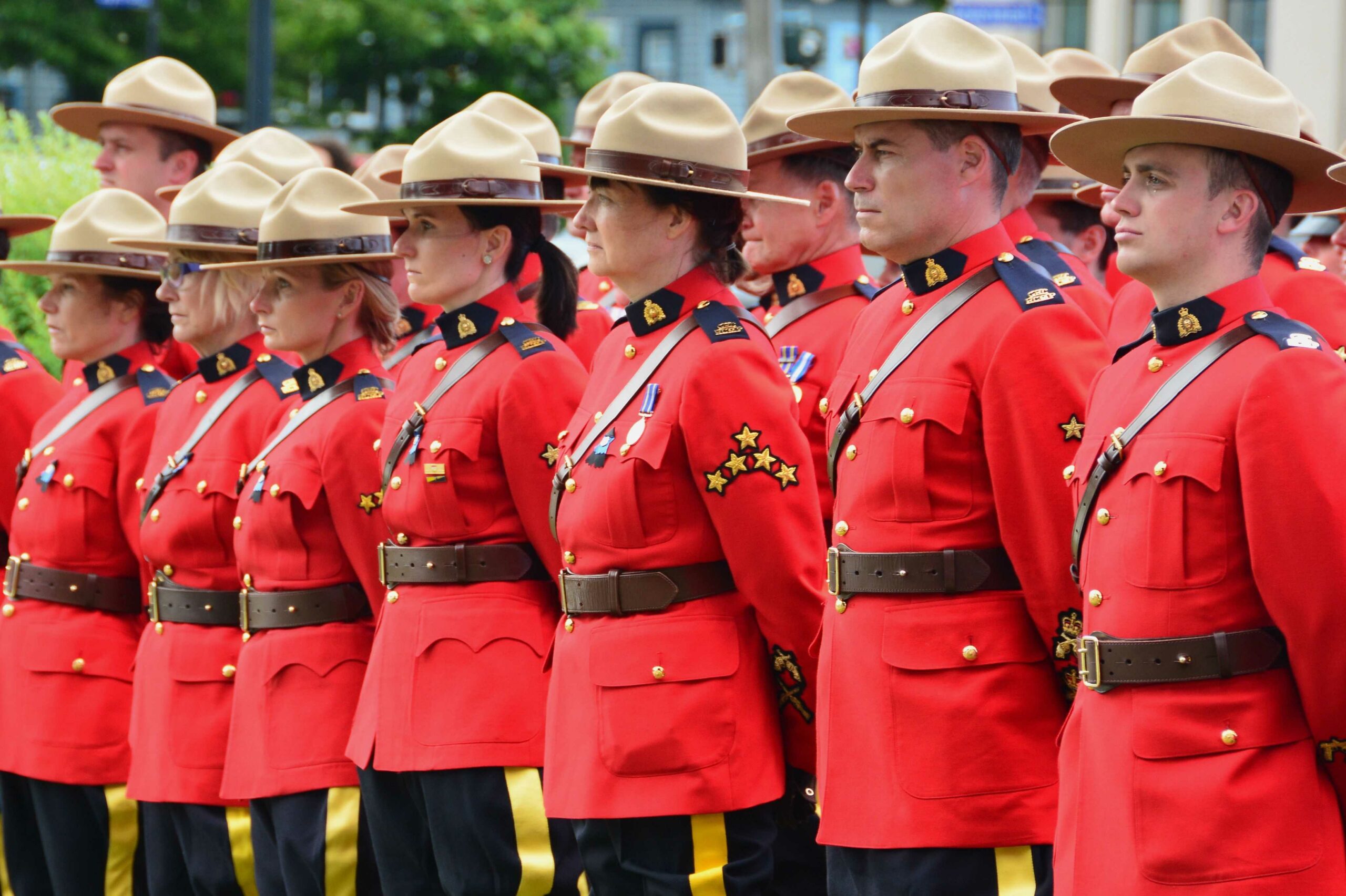
MENTAL HEALTH AND ADDICTION TREATMENT FOR RCMP MEMBERS AND EMPLOYEES
Find addiction, PTSD, and mental health support for RCMP members and employees.
Every day, RCMP members and employees face situations that test their resilience. Because they respond to critical incidents and serve communities under duress, their work comes with unique stressors. Whether they are struggling with mental health concerns, substance use, operational stress injuries, or PTSD, they deserve support and guidance tailored to the unique challenges policing poses.
EHN Canada offers specialized treatment programs designed specifically for RCMP members, employees, and their families through our RCMP Navigation Plan. We know the demands of this work can be difficult and that seeking help requires courage. Our team of experts provide trauma-informed, confidential care that addresses challenges RCMP members and employees face.
RCMP members and employees face significant mental health challenges due to the nature of their work.
RCMP members are six times more likely to screen positive for any mental health disorder than the general population.
RCMP members are almost twice as likely to screen positively for generalized anxiety disorder and major depressive disorder as other public safety personnel.
Within a one-year period, 11.4% of RCMP members contemplated suicide, compared to 2.7% of the general population.
How our treatment programs support RCMP members
At EHN Canada, we know that RCMP service exposes members and employees to challenges that require specialized care. Our facilities, programs, and RCMP Navigation Plan offer a confidential and supportive pathway to connect RCMP members with treatment that works for them—prioritizing their needs, circumstances, and long-term recovery goals.
A tailored RCMP Navigation Plan
Our RCMP Navigation Plan is dedicated to helping RCMP members and employees struggling with mental health, substance use, and trauma symptoms identify and access resources needed to recover.
Evidence-based treatment
Our treatment programs rely on clinical approaches that help RCMP members and employees recover and build lasting wellness.
Treatment for complex conditions
We specialize in treating co-occurring disorders, addressing both mental health and addiction with integrated, compassionate care.
Private, flexible treatment options
We understand that confidentiality is important for RCMP members and employees. We will work with RCMP members to respect privacy and create a personalized care program.
Programs for RCMP members and employees
From virtual support programs to intensive inpatient care, our programs are designed to meet the level and type of care that’s right for every situation.
RCMP Navigation Plan
EHN Guardians’ RCMP Navigation Plan can help guide clients on the way to recovery
Click to Read MoreConcurrent trauma and addiction programs
Treatment for trauma, PTSD, and other operational stress injuries exclusively for military, veterans, and first responders
Click to Read MoreGet help now
Want our team to reach out and discuss RCMP treatment options? Fill out our form and we’ll be in touch soon.
Want to find out more about treatment?
Frequently Asked Questions
-
What is EHN Guardians and who do they serve?
EHN Guardians offers specialized care, expert clinicians, and customized programs for treating addiction, trauma, and other mental health disorders.
EHN Guardians’ programs are designed exclusively for veterans, active military members, RCMP and first responders with trauma-informed care that understands the transition to civilian life and the long-term impact of public safety service.
-
Can I keep working while I’m in treatment?
Our programs are designed to minimize disruption to daily life. While inpatient treatment at one of our facilities dedicated to military, veterans and first responders is a great option, veterans can also participate in a more flexible occupational stress injury and PTSD Virtual Intensive Treatment Program from home to maintain their daily responsibilities or match their comfort level.
-
How long do inpatient or virtual programs last for RCMP members and employees?
Program length varies based on individual needs and the type of care required. Our clinicians create personalized plans that ensure you receive the right amount and intensity of treatment. Fill out this form or call us at 1-866-963-6343 to learn more about treatment duration.
-
Can you treat PTSD operational stress injuries, and substance use at the same time?
Yes. We can treat trauma symptoms with or without addiction; however, many RCMP experience co-occurring disorders, and EHN Guardians specializes in integrated care that treats PTSD, operational stress injuries, and substance use simultaneously. Our trauma-informed approach ensures that each condition is addressed in a coordinated, evidence-based program for lasting recovery.
-
Can I involve my family in treatment or Aftercare?
Families play an essential role in recovery, and EHN Guardians provides dedicated support throughout a loved one’s treatment. Both programs below are delivered online, facilitated by EHN staff, and included at no extra cost.
- Educational Webinars: These sessions help family members understand the disorders and symptoms their loved one is facing while also focusing on their own well-being. Participants learn strategies to regain balance, establish healthy boundaries, and navigate the family dynamic during recovery.
- Guardian Family Connect: A weekly support group for EHN Guardians family members and support persons. This group offers a space to share experiences, receive mutual support, and connect with others who may be facing similar challenges.
Click here to learn more about family support for RCMP in treatment for addiction or PTSD.
-
How do programs support returning to duty or everyday life?
Our programs include return-to-duty planning, relapse prevention, and transition support. Whether you plan to return to policing, move to modified duties, or adjust to personal life after recovery, our clinicians help you build the resilience and tools needed to reintegrate safely and confidently.
-
What are the expected outcomes of completing an addiction, mental health or PTSD program?
RCMP who complete EHN Guardians programs often experience positive outcomes such as:
- Reduced PTSD and operational stress symptoms
- Improved coping strategies for trauma and addiction
- Enhanced emotional resilience for professional and civilian life
- Support for long-term wellness and relapse prevention
-
What support is available after clients complete treatment?
EHN Guardians clients have access to an EHN Guardians-exclusive Aftercare group, included at no additional cost.
Aftercare includes:- One year of support after inpatient treatment, ten months of support after VITP
- Weekly 2-hour online sessions
- Support informed by DBT, CBT, ACT, and trauma-informed care
- Optional drug and alcohol monitoring
Aftercare helps clients maintain progress, navigate early recovery, reduce the risk of relapse, and transition smoothly back into daily life.
-
What evidence-based trauma therapies are used for RCMP treatment?
All EHN Guardians programs are grounded in evidence-based clinical modalities, including CBT, DBT, ACT, EMDR, exposure therapy, and trauma-informed care. These approaches are research-supported and proven effective for treating trauma, PTSD, addiction, operational stress and concurrent mental health conditions.
These therapies are specifically adapted for the experiences of RCMP, ensuring effective treatment for PTSD, operational stress injuries, and co-occurring conditions.