



Measurement-Based Care
We use data and patient feedback to measure our outcomes and guide our treatment. Here’s how Measurement-Based Care is transforming recovery at EHN Canada.
At EHN Canada, Measurement-Based Care is changing recovery—for the better. While in treatment, our patients complete regular, evidence-based questionnaires designed to track symptoms, progress, and wellbeing over time. The data collected helps both patients and clinicians understand what’s working—and what might need adjustment—to support the best possible recovery outcomes.
Recognized for Quality Care
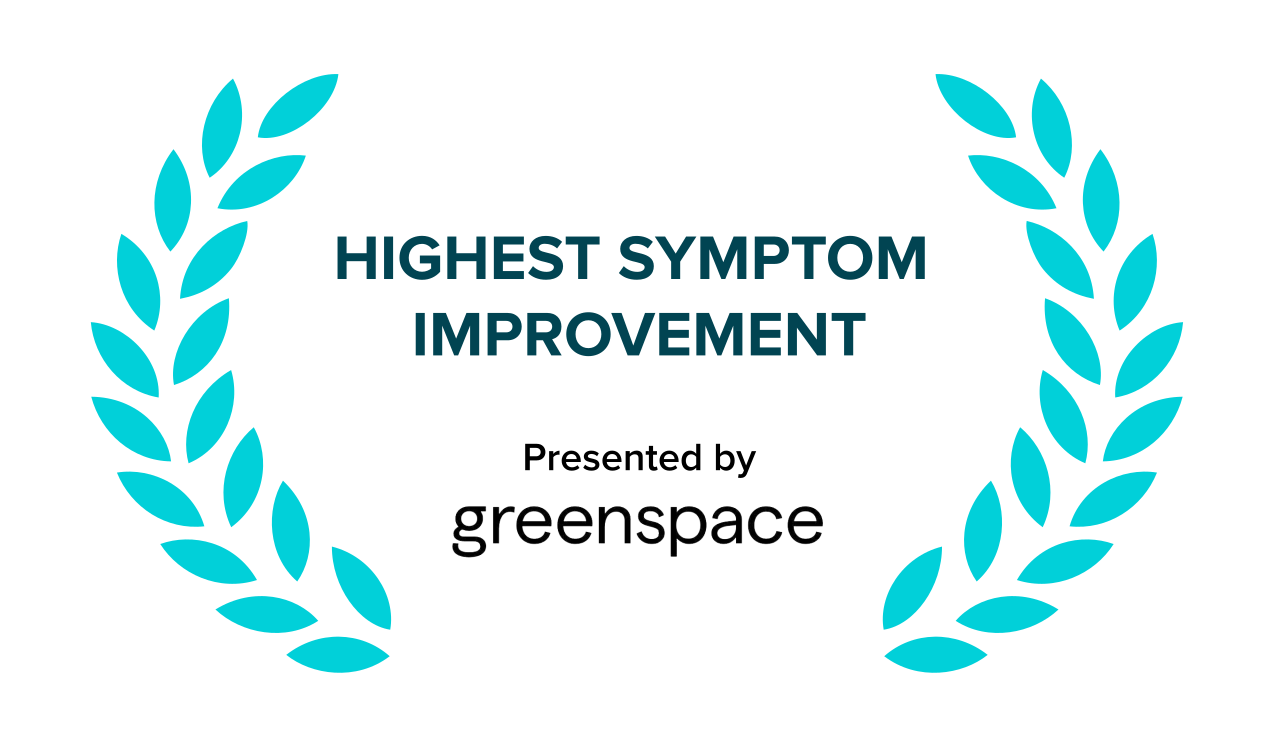
We’re proud to share that EHN Canada has been named as a winner of Greenspace Health’s 2025 MBC Impact Awards for achieving one of the Highest Average Symptom Improvement rates across our clients using Measurement-Based Care
Patients at EHN Canada facilities play an active role in their treatment.
EHN Canada’s Measurement-Based Care is allowing patients to play an active role in their treatment plans. We provide patients with screeners such as the PHQ-9 and the GAD-7 at regular intervals throughout treatment in each session. This approach helps determine the effectiveness of treatment and allows clinicians to make necessary adjustments when one type of treatment is not working. Patients are also empowered to track their symptoms and communicate more clearly, leading to better overall outcomes.

TRANSPARENCY AND PATIENT ENGAGEMENT

EARLY INDICATIONS OF TREATMENT ISSUES

DYNAMIC TREATMENT ADJUSTMENTS
WHAT DOES IT MEAN FOR YOU?
Measurement-Based Care can make a big difference for our patients: a reduction in symptoms, a better chance at completing treatment, and the increased likelihood of long-term recovery.
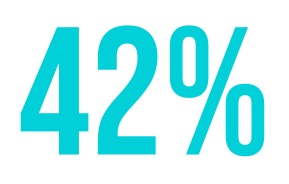
Higher overall improvement in clinical outcomes1
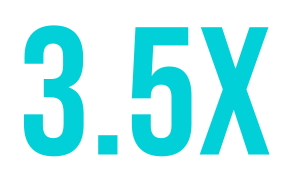
Higher likelihood that a client experiences reliable change2
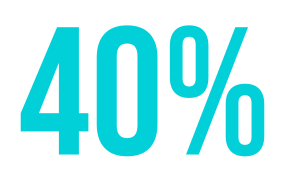
Lower dropout or cancellation rates3
1. Michael J Lambert, “Outcome in Psychotherapy: The Past and Important Advances” (2013). 2. Slade, et al., “Improving Psychotherapy Outcome: The Use of Immediate Electronic Feedback and Revised Clinical Support Tools” (2008). 3. Bohanske, R. T., & Franczak, M., "Transforming public behavioral health care: A case example of consumer-directed services, recovery, and the common factors" (2010).
CLINICAL PRACTICE MEETS RESEARCH EXPERTISE
Get the Help You Need
If you need help and are wondering if treatment is right for you, reach out to our team.


