


We treat drug addiction
Drug addiction is one of the most significant public health challenges in Canada. It affects individuals from all backgrounds and can involve a wide range of substances, from legal drugs such as cannabis, alcohol and prescription medications to illicit substances like methamphetamine and fentanyl.
At EHN Canada, we treat all major forms of drug addiction using evidence-based care. This page provides an overview of the substances most often associated with addiction in Canada, with links to full-length resources on each specific drug.
Cocaine is a stimulant drug that creates an intense but short-lived high by flooding the brain with dopamine. Because its effects wear off quickly, users often binge, leading to cycles of use and crash that increase the risk of dependence.
Health risks include cardiovascular issues like heart attack and stroke, mental health concerns such as paranoia and anxiety, and social harms related to impaired judgment. Over time, cocaine addiction can lead to significant personal, financial, and relationship damage.
Learn more about how we treat cocaine addiction.
Methamphetamine, or meth, is a powerful stimulant known for its destructive short and long-term effects. Unlike cocaine, meth’s impact can persist for hours, creating a sense of euphoria and energy. This makes it highly addictive, with a rapid onset of dependence.
Chronic meth use causes severe dental decay, cardiovascular damage, and profound changes in brain chemistry. Users may experience paranoia, hallucinations, ‘meth mouth’ and aggressive behaviour.
Learn more about how we treat methamphetamine addiction.
Cannabis is legal in Canada, but legalization does not eliminate the risks of misuse. While many use cannabis without developing dependence, some individuals, especially young adults, experience withdrawal symptoms, cravings, and difficulty cutting back.
Risks include impaired memory and attention, decreased motivation, and an increased likelihood of developing anxiety or psychosis in vulnerable populations. The normalization of cannabis use has also made it harder for families to recognize when use has become problematic.
Learn more about how we treat cannabis addiction.
Fentanyl is a synthetic opioid up to 100 times more potent than morphine. It is prescribed in some medical contexts but is also widely present in the unregulated street drug supply, often mixed into heroin or counterfeit pills. This makes it extremely dangerous, as users may not know they are consuming it.
The Canadian opioid crisis is driven largely by fentanyl and fentanyl analogues. Overdose can occur within minutes, and very small doses can be fatal, which has led to families across the country being devastated by sudden losses connected to fentanyl use.
Learn more about how we treat fentanyl addiction.
Ketamine is an anesthetic with growing interest in the medical community for its potential to treat depression and chronic pain in controlled, clinical settings. However, recreational use carries high risks.
When misused, ketamine can cause dissociation, hallucinations, and memory loss. Chronic use has been linked to bladder and kidney damage, and psychological dependence can develop quickly. The dual nature of ketamine, both as a potential therapeutic and a drug of misuse, makes it especially complex.
Learn more about how we treat ketamine addiction.
Hallucinogens include LSD, psilocybin (magic mushrooms), mescaline, DMT, and MDMA, among others. These substances alter perception, mood, and cognition. While they do not generally produce physical dependence, repeated use can lead to psychological reliance.
Risks include “bad trips,” persistent flashbacks, and potential triggering of mental health conditions such as psychosis. MDMA is particularly risky due to its stimulant effects, which can cause dehydration, overheating, and long-term serotonin system damage.
Learn more about how we treat hallucinogen dependence.
Opioids include both prescription pain medications (oxycodone, hydromorphone, codeine) and illicit substances (heroin, illicit fentanyl). They are among the most addictive drugs, producing powerful euphoria and rapid tolerance.
Withdrawal from opioids is extremely uncomfortable and often leads to relapse. Risks include fatal overdose, organ damage, and the spread of infectious diseases through injection use. The opioid crisis continues to strain families, communities, and healthcare systems across Canada.
Learn more about how we treat opioid addiction.
Prescription drug misuse is a growing concern, especially among young adults. Stimulants such as Adderall and Ritalin are often misused as “study drugs,” while benzodiazepines and sleeping pills are misused for relaxation or escape.
Even when prescribed, these medications can create tolerance and dependence if not used as directed. Risks include overdose, withdrawal complications, and co-occurring mental health disorders. Families are often surprised to find addiction developing around legally obtained medications.
Learn more about how we treat prescription drug addiction.
Inhalants are everyday products like glue, paint thinner, aerosol sprays, and nitrous oxide that can produce mind-altering effects when inhaled. They are especially dangerous because they are inexpensive, easy to obtain, and often misused by adolescents and young adults.
Even a single use can cause “sudden sniffing death” from heart failure. Chronic misuse can damage the brain, liver, kidneys, and lungs. Inhalant addiction is often hidden due to stigma, but it can have life-altering and sometimes fatal consequences.
Learn more about how we treat inhalant addiction.

EHN Canada is Canada’s leader in the treatment of drug addiction
EHN Canada takes a holistic, evidence-based approach to treating alcohol and drug addiction. Our programs combine medically supervised detox, individual and group therapy, and evidence-based methods such as CBT, DBT, and trauma-focused care. Treatment is delivered by a multidisciplinary team of physicians, nurses, psychiatrists, and master’s-level clinicians who provide 24/7 support. We also offer specialized programs for populations like first responders and military personnel, addressing co-occurring trauma and mental health conditions. At EHN Canada, we emphasize long-term recovery through robust aftercare, relapse prevention, and alumni connections, helping individuals achieve lasting change.
Featured Locations
EHN Canada offers inpatient and virtual programs to help individuals overcome drug addiction with expert support.

EHN Edgewood Nanaimo
BC’s Leading Evidence-Based, Accredited Rehab for Addiction Recovery and Mental Health Treatment
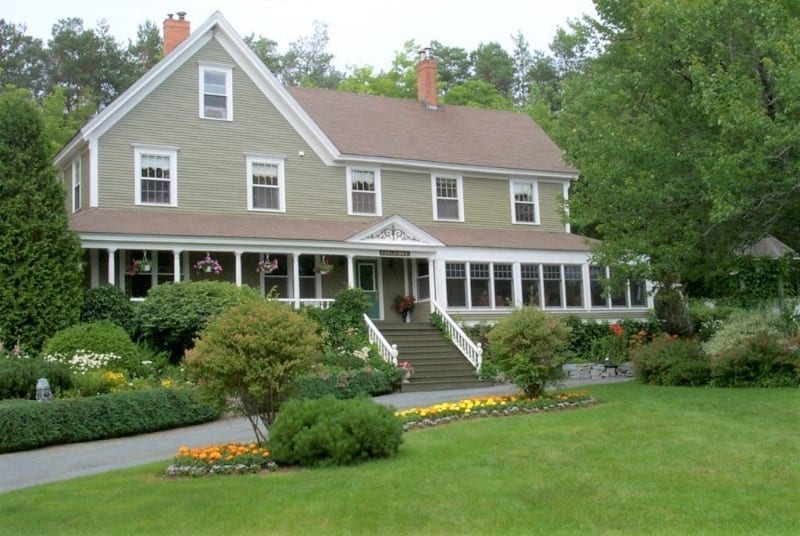
EHN Bellwood Nova Scotia
Addiction Rehab in the Annapolis Valley, Nova Scotia - Holistic treatment in a warm, welcoming environment.

EHN Bellwood Toronto
Looking for treatment for addiction or a mental health disorder? We are Toronto’s #1 mental health and addiction recovery centre.
Resources
Explore more resources to support mental health and addiction recovery.

7 Reasons to Choose EHN Bellwood Toronto
March 15, 2024
Deciding to get help for addiction or a mental health disorder is…


5 Reasons Why Group Therapy Is So Effective
January 27, 2021
When it comes to recovery from mental health disorders and addiction, you…

CBT and DBT: Proven Therapies Addiction Treatment
November 8, 2022
You have heard the acronyms before, but what are CBT and DBT…

Addiction and Family: Family Roles in Addiction and…
June 18, 2020
Drug and alcohol addiction are conditions that affect not only the substance…


